Placemaking Design
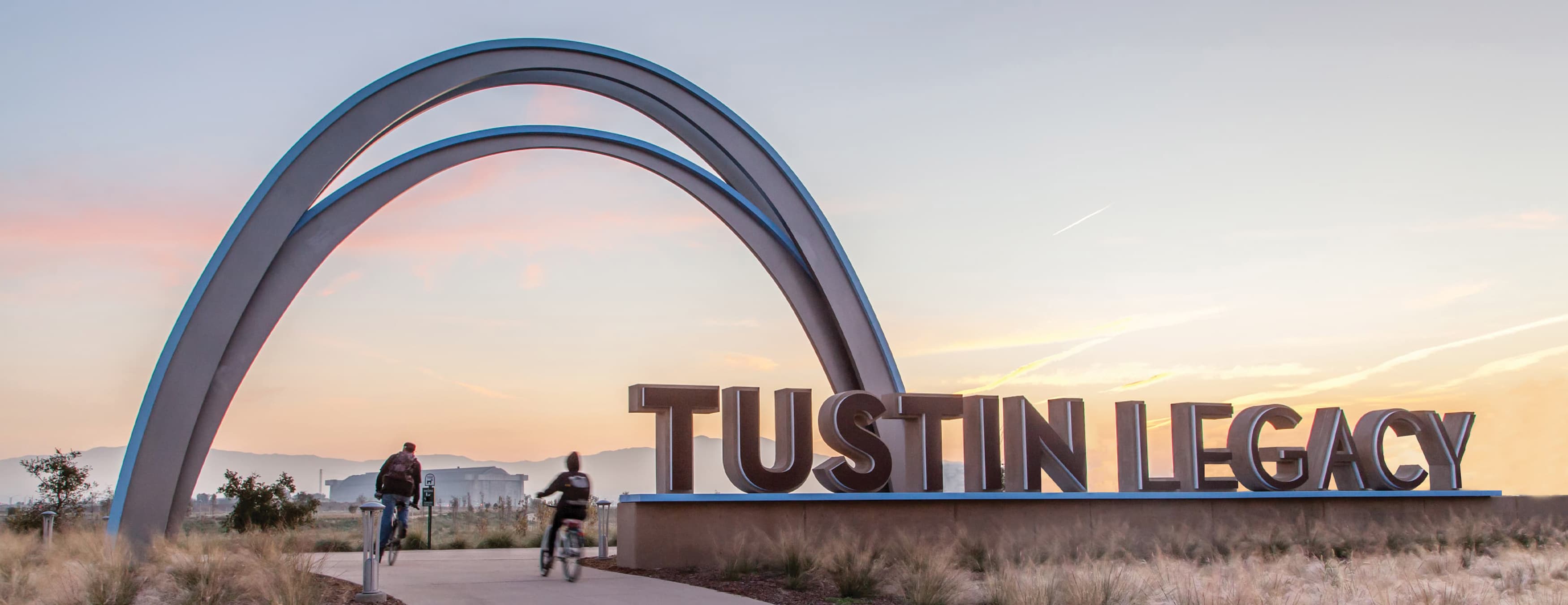
Sub-services
Art Programs & Public Art Mural DesignDesign Narratives & Storytelling
Specialty Graphic Design
Retail PlacemakingBranded Environments
Placemaking That Brings Communities Together
Placemaking design is a collaborative process of designing public spaces that are functional and reflective of the community's culture and identity. RSM Design helps create places that are meaningful and resonate with the core values and history of the community, ultimately fostering a sense of belonging and pride.
The goal of placemaking is to create public spaces that enhance the story’s character and personality of the community, beyond their direct needs. Branding, public art, wayfinding signage design, landmarks, landscape treatments, and specialty graphics are just a few examples of the many design components that we use to create a unique and effective environment.
The foundation of great placemaking is about creative collaboration, working with the expertise of stakeholders, the client, the community, and the design team. Together we can gain an understanding of the project’s unique voice and personality, grounding them in the needs, goals, and expectations of the team.
Obtaining engagement from the stakeholders is essential for the enduring success of the project, discovering the uniqueness of each destination. The work of RSM Design helps craft the story and design vocabulary using graphics, patterns, typography, color, materials, and form, creating meaningful and memorable places that connect the community and the people within it.
Placemaking Projects
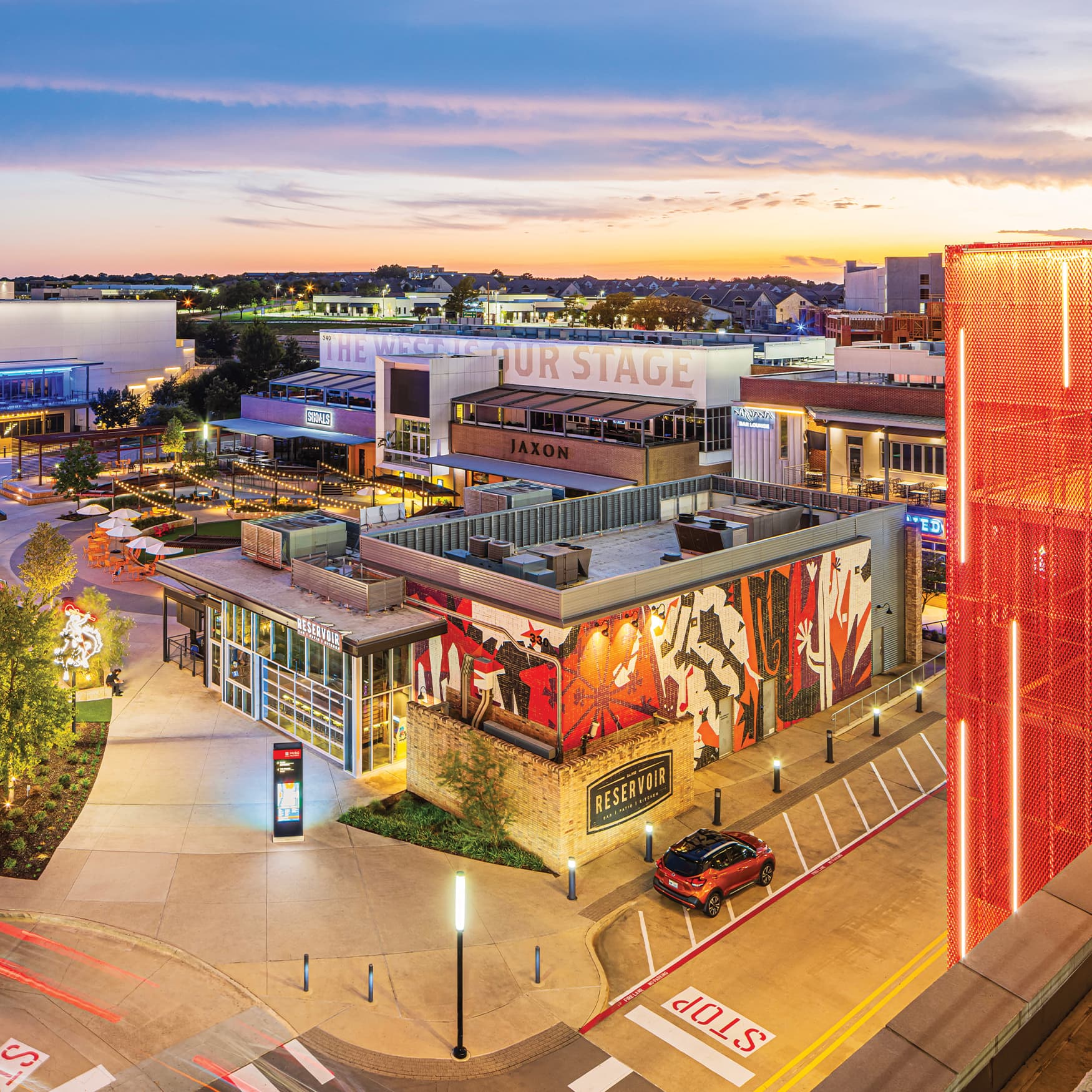
Irving, Texas
Toyota Music Factory
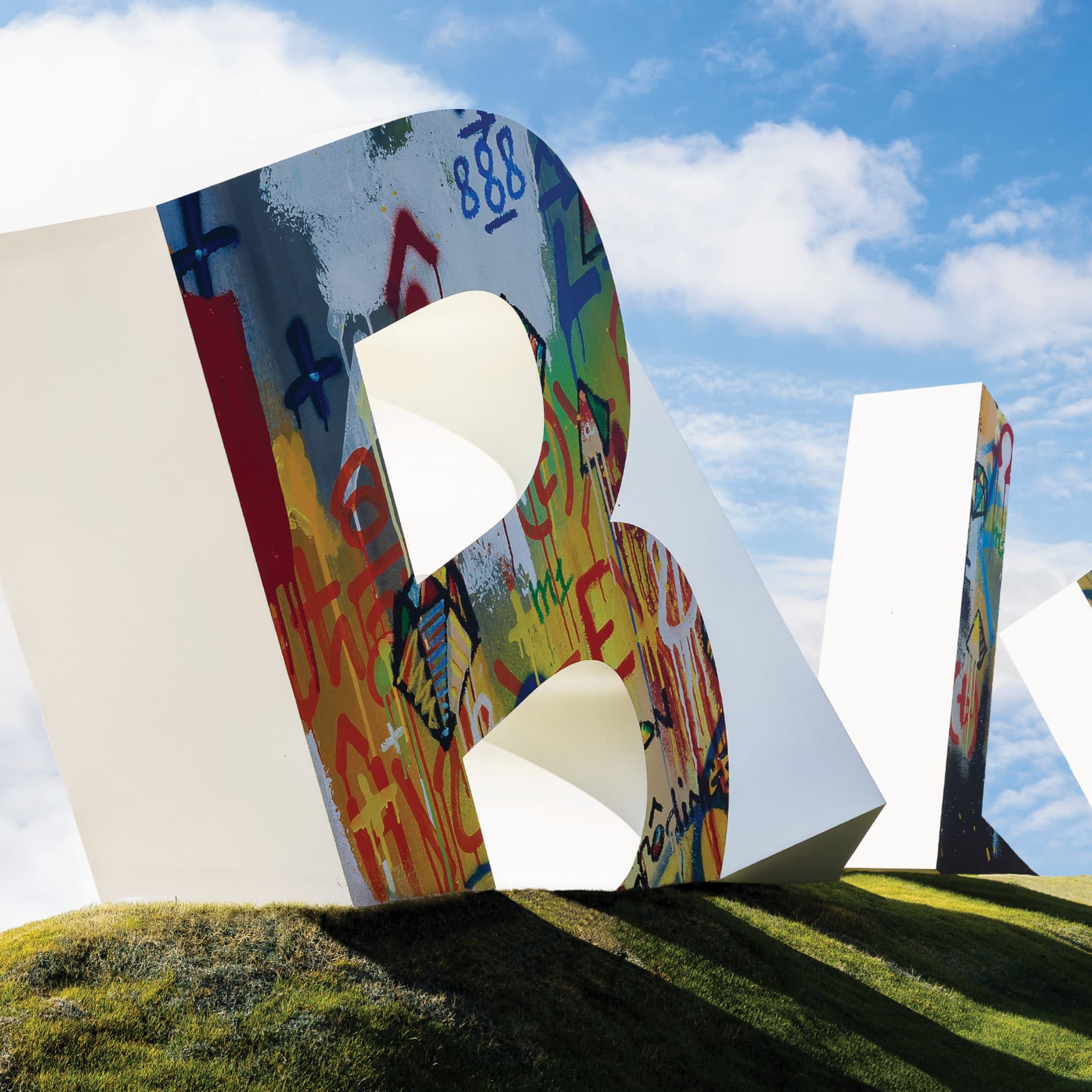
Sherman, Texas
Bel Air Village
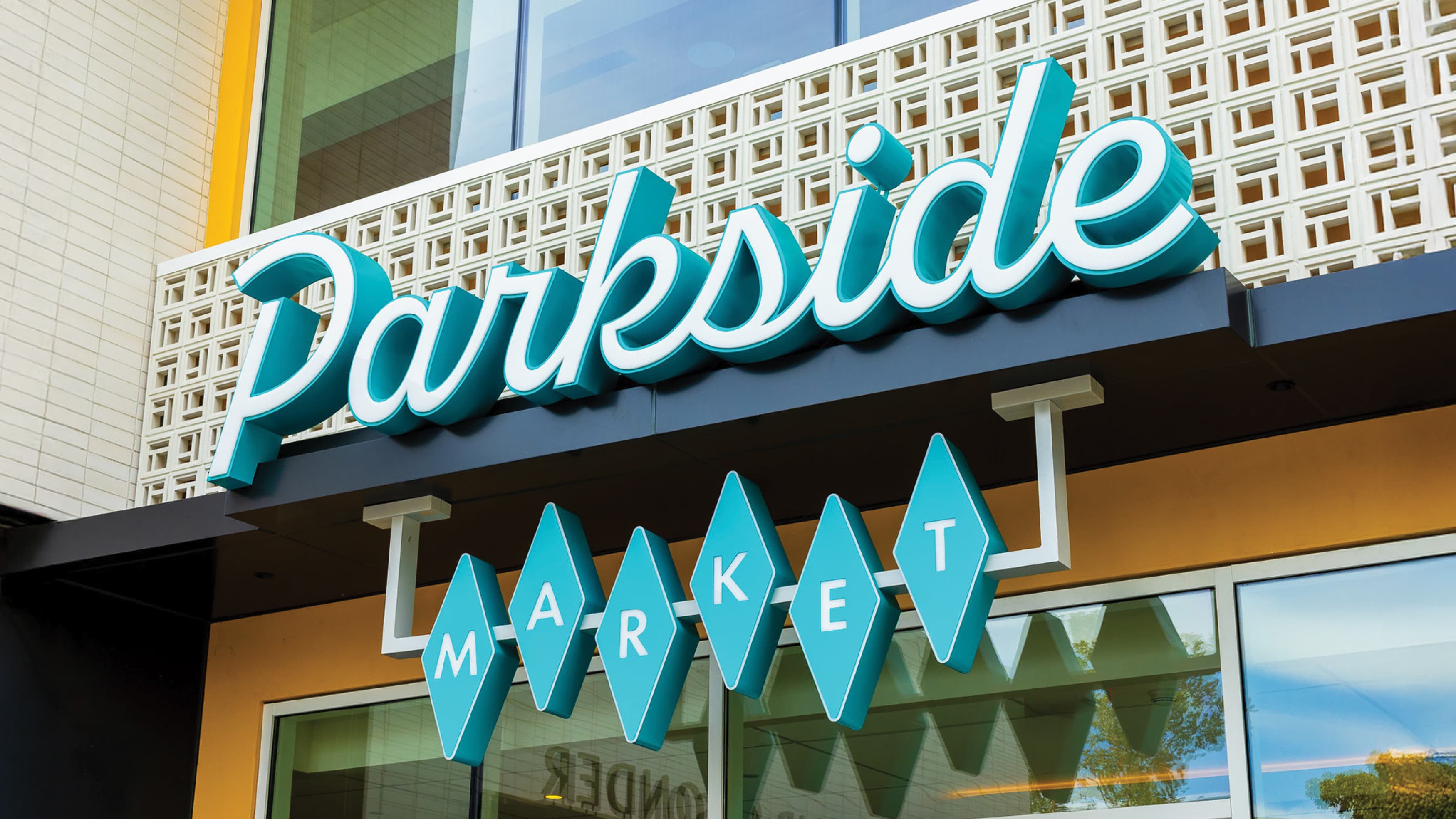
Anaheim, California
Parkside Market
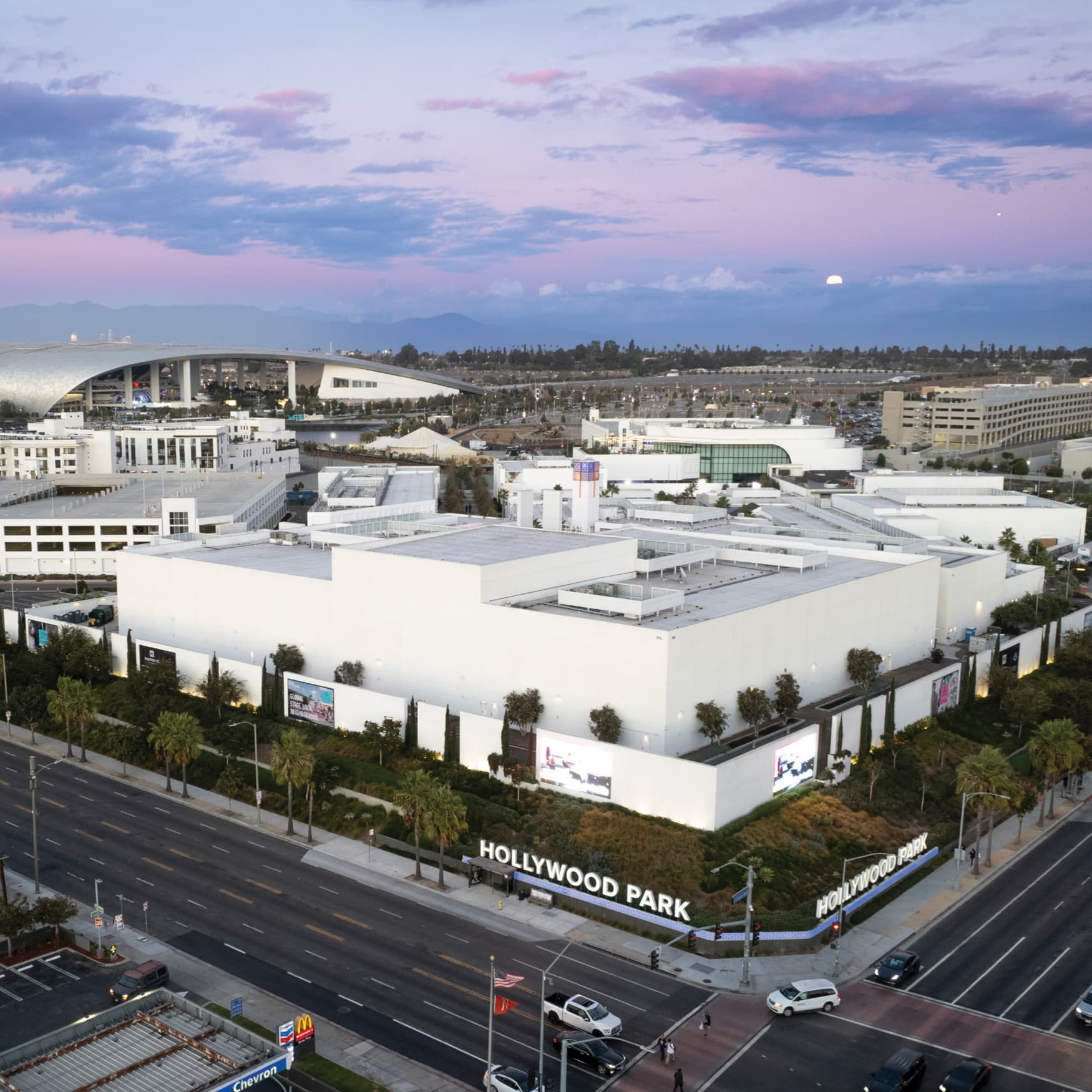
Los Angeles, California
Hollywood Park
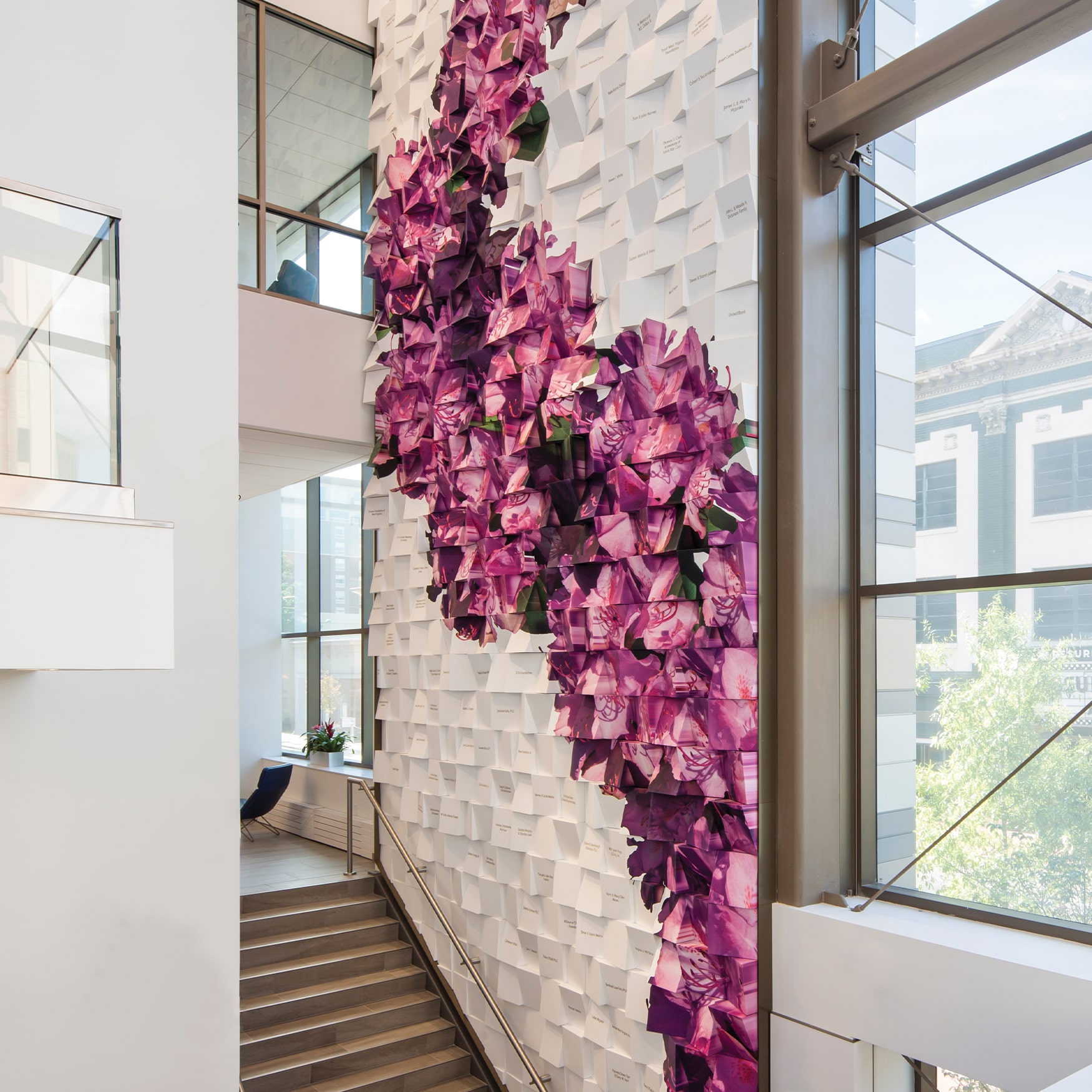
Charleston, West Virginia
Kanawha County Public Library
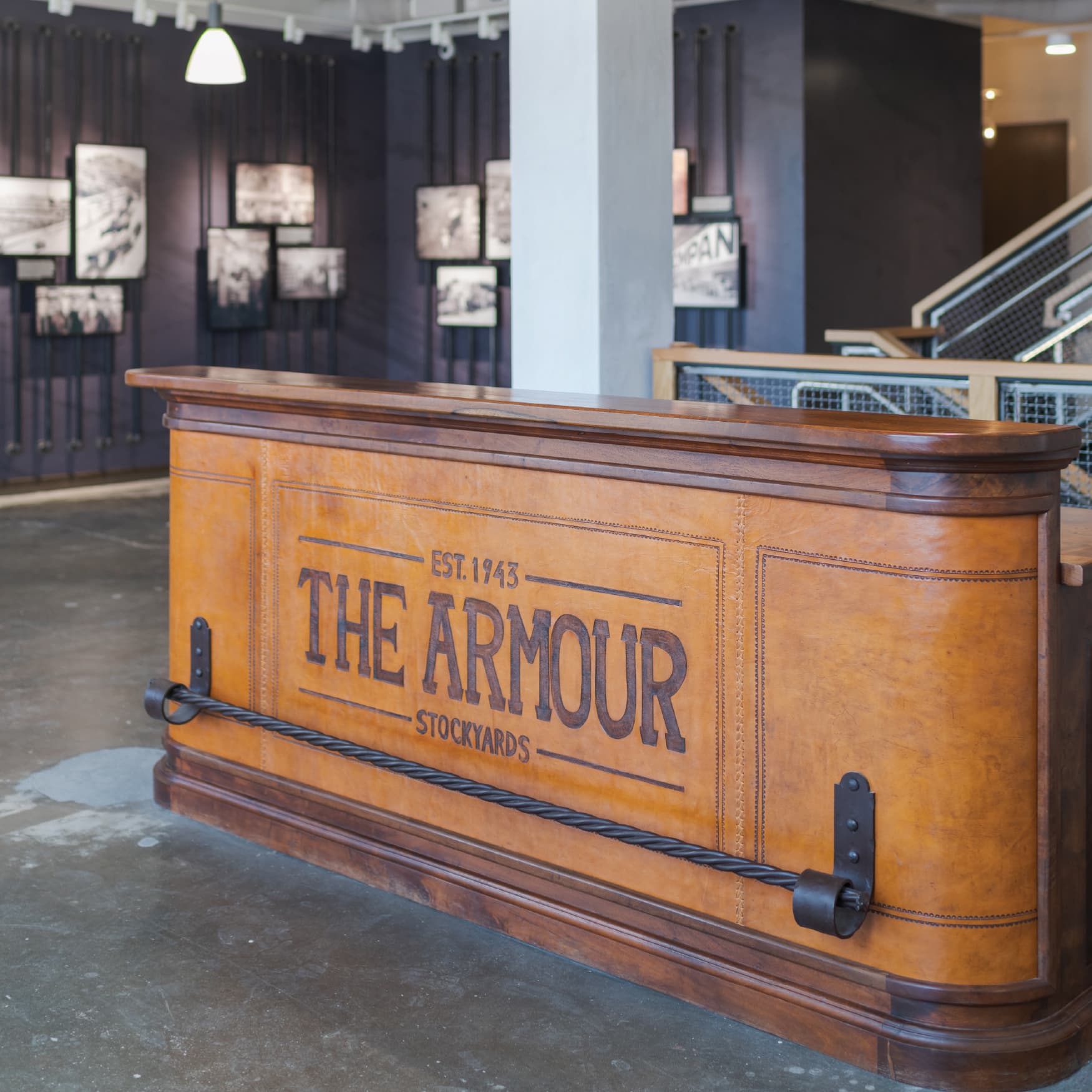
Fort Worth, Texas
The Armour Building
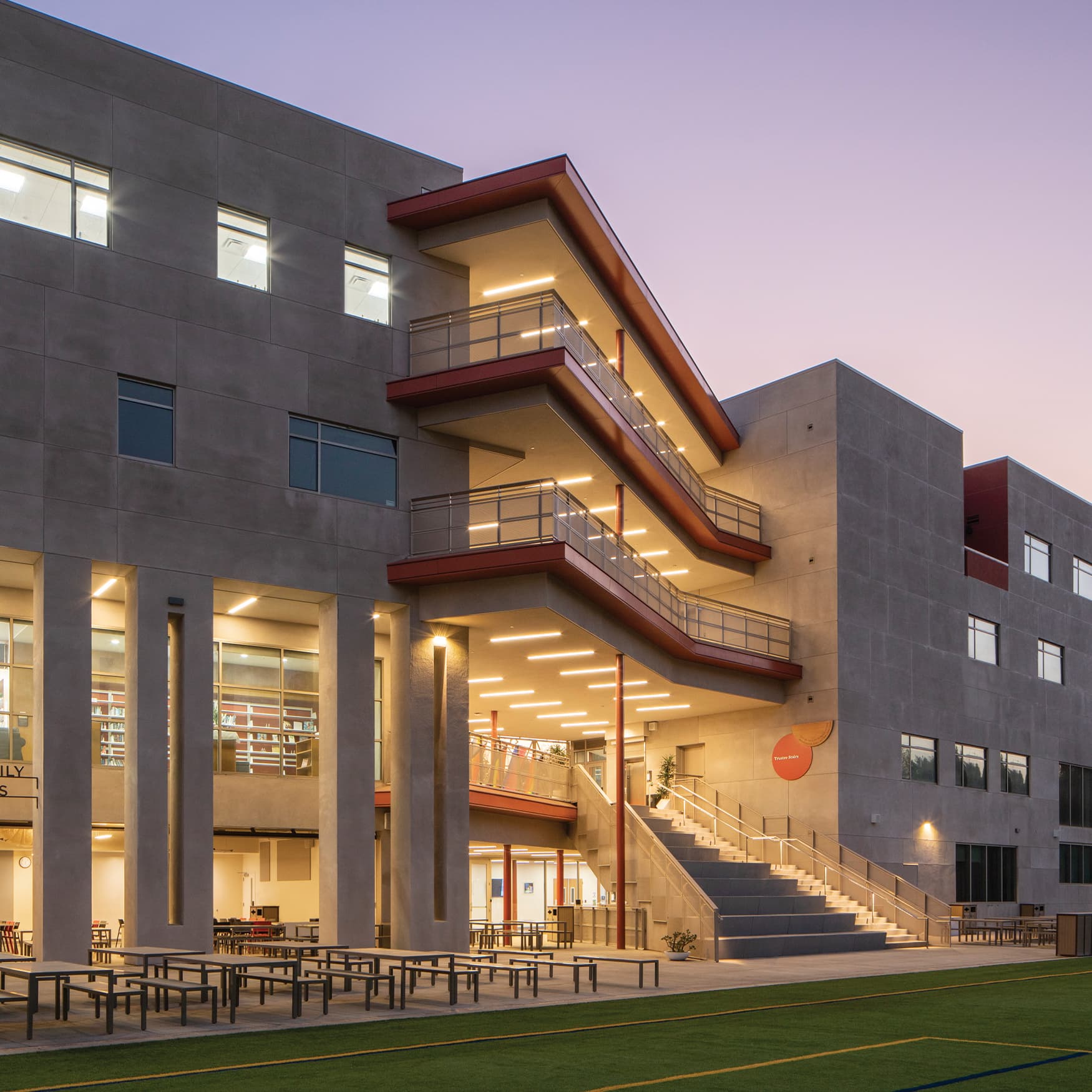
Los Angeles, California
Brentwood School
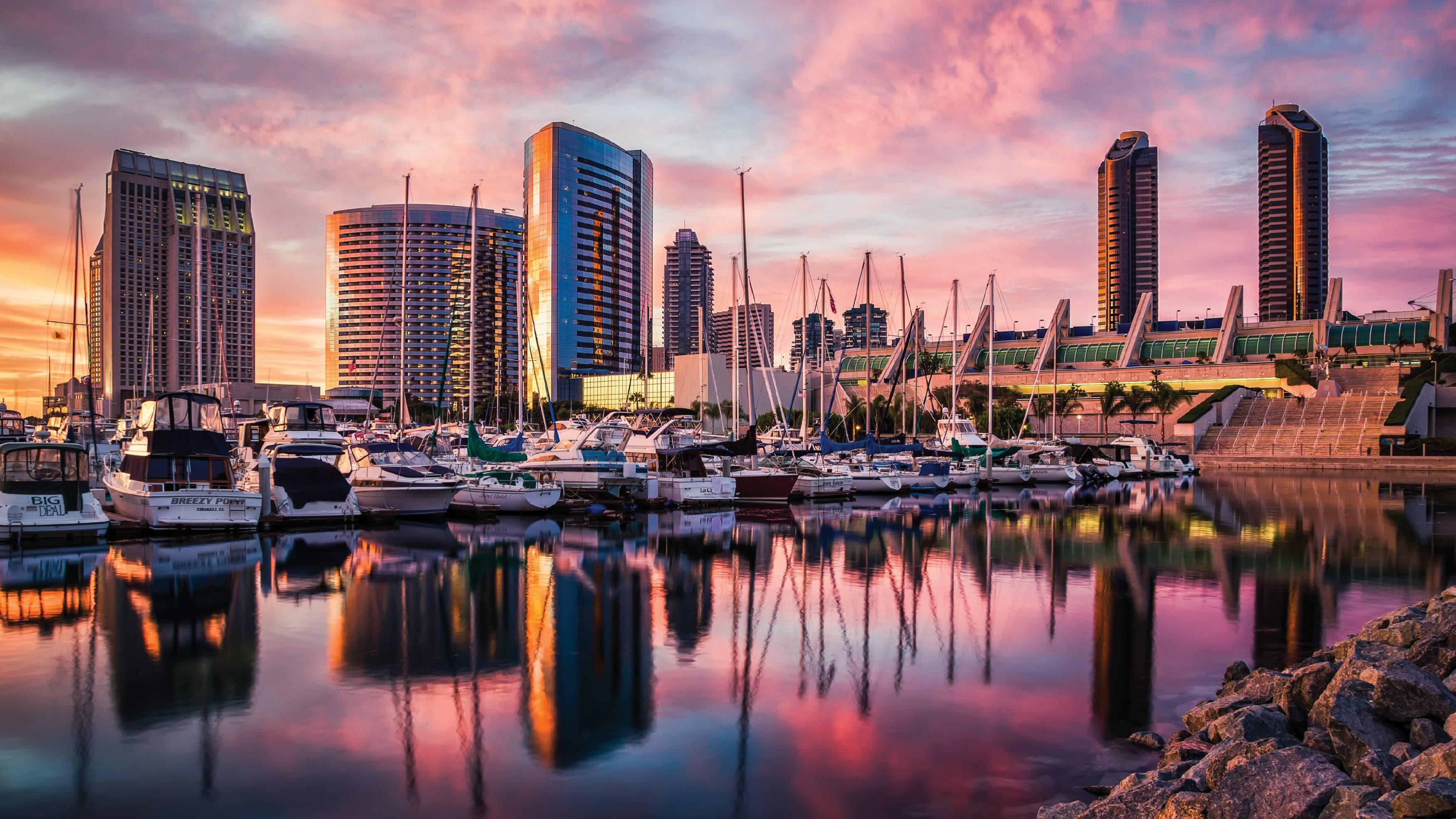
San Diego, California
Port of San Diego
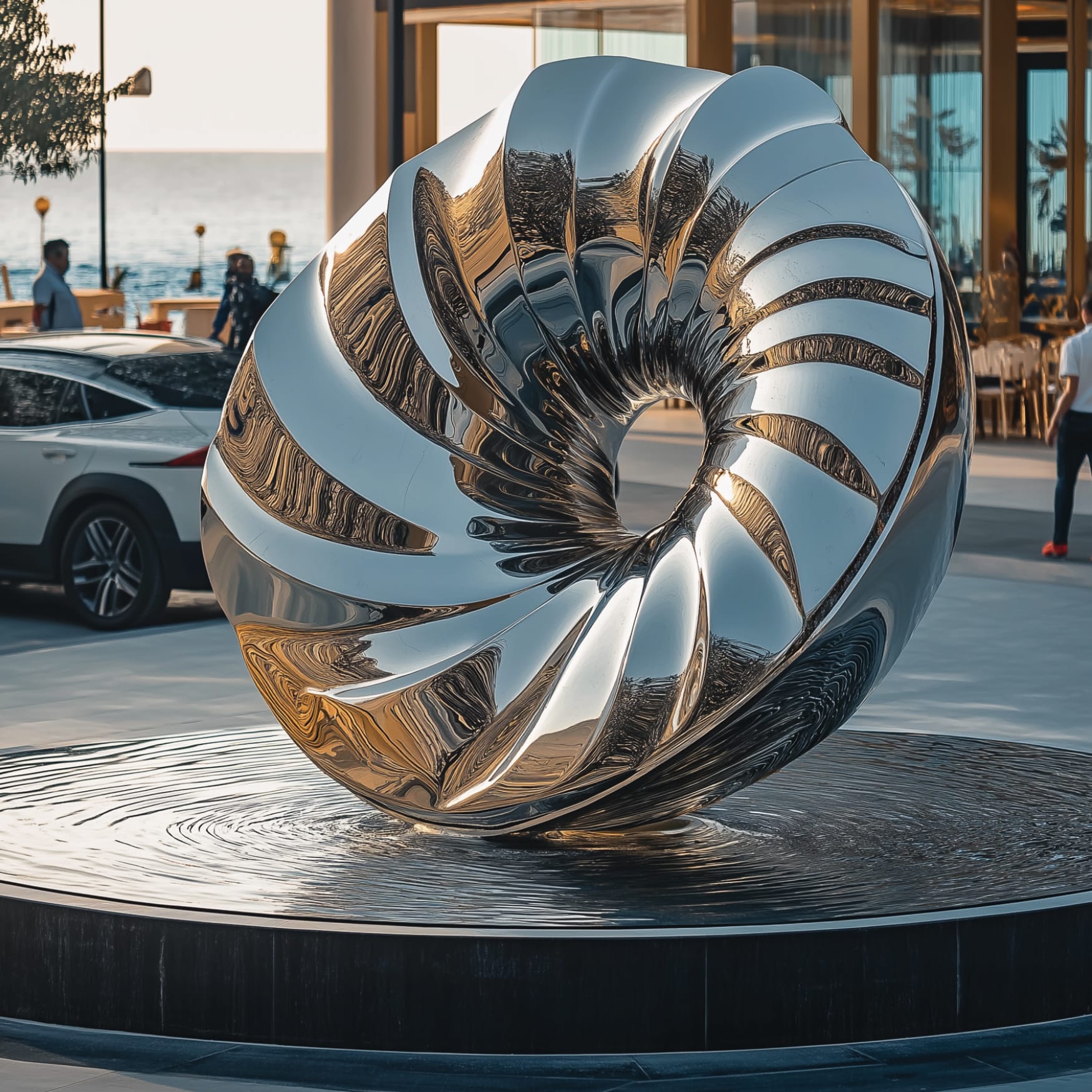
Abu Dhabi, United Arab Emirates
Ramhan Marina Island
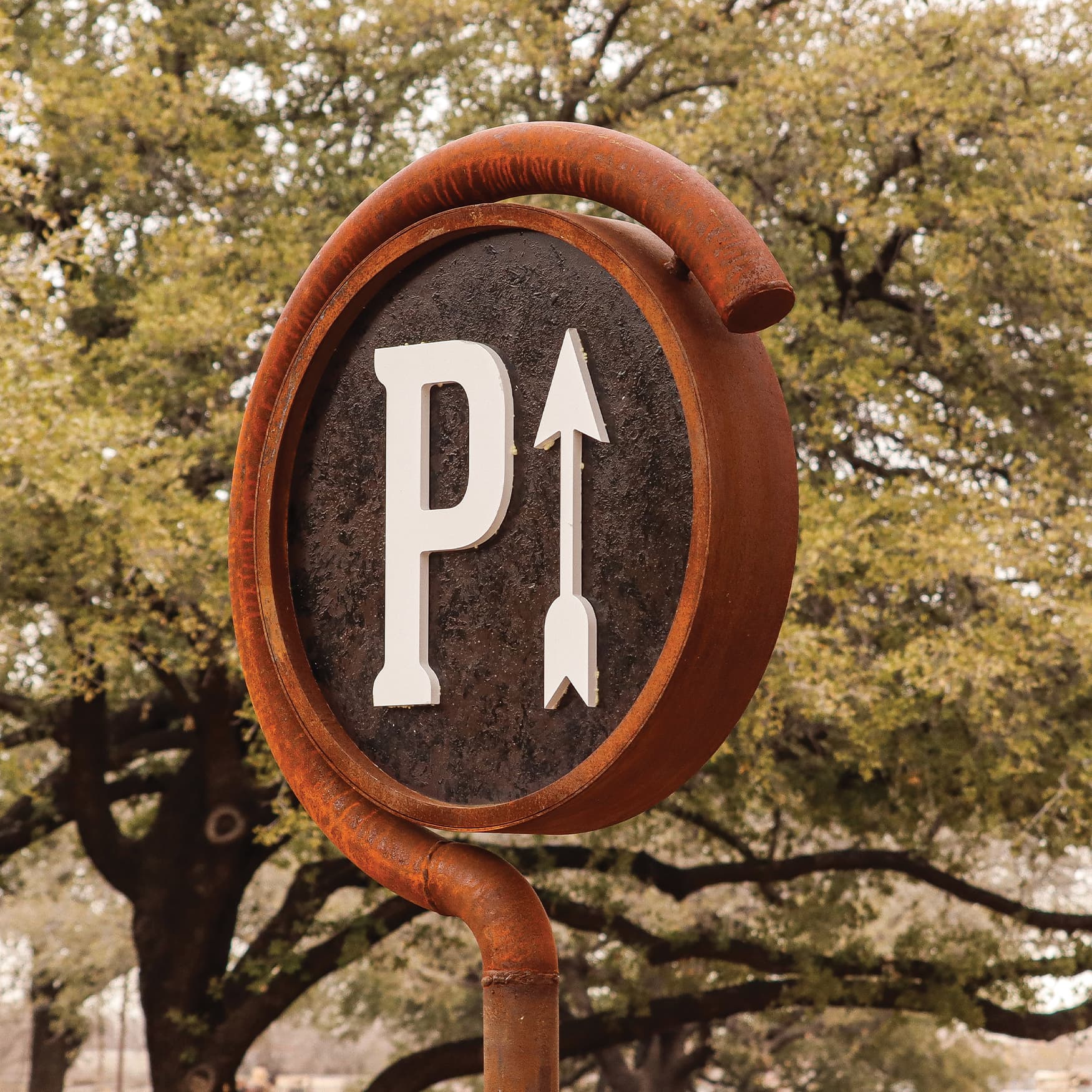
Fort Worth, Texas
The Stockyards
What are the Benefits of Placemaking?
Creating inviting public spaces
Placemaking fosters a sense of certainty and encourages active participation, transforming public areas into welcoming environments. People prefer places that are engaging with quality lighting, clear paths, and places to explore.
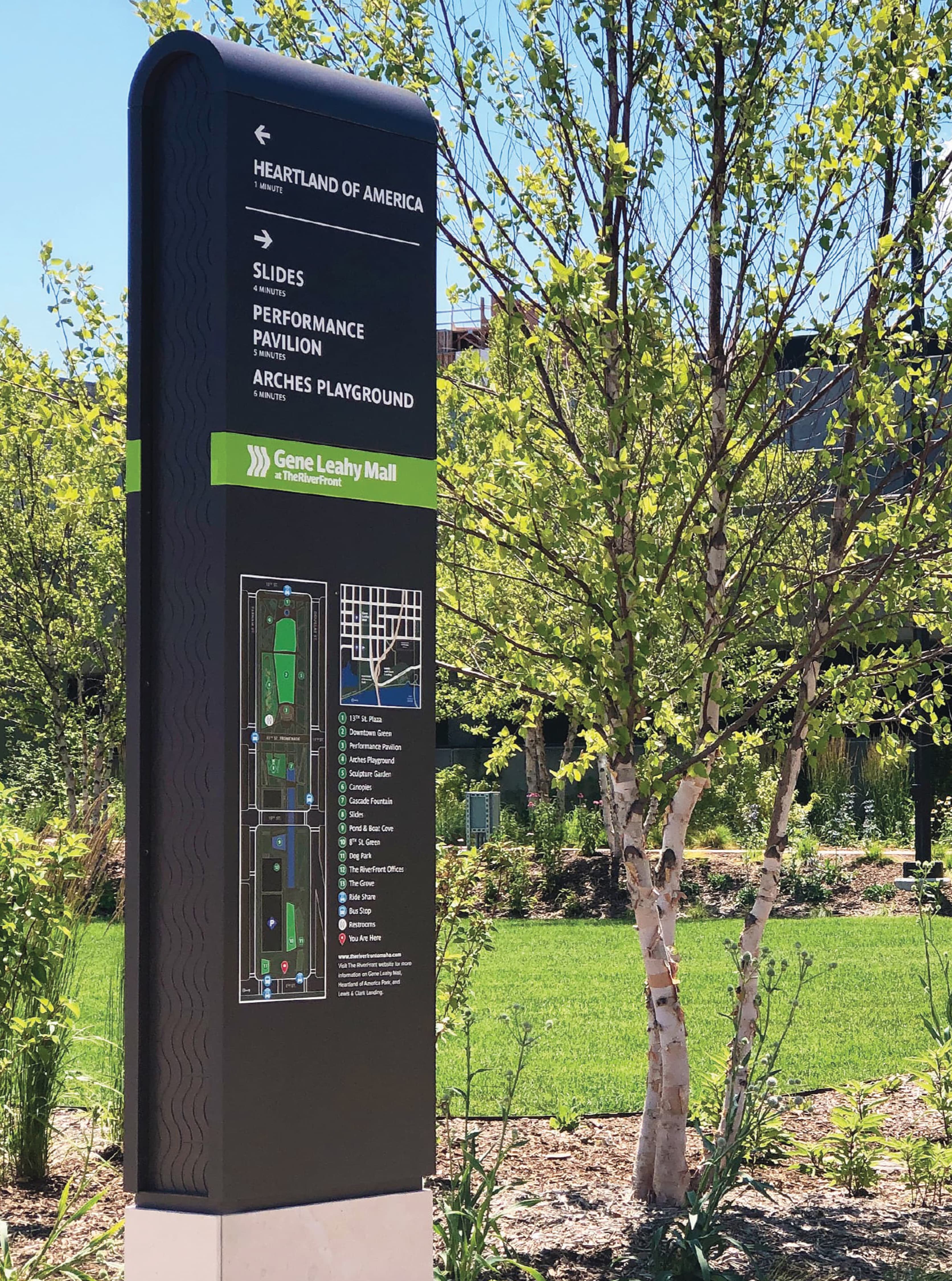
See more of our work for Gene Leahy Mall.
Promoting social interaction and community cohesion
We foster inclusive public spaces for people to gather and connect in shared experiences. Placemaking creates a sense of belonging and strengthens social ties in the community through engagement and local involvement.
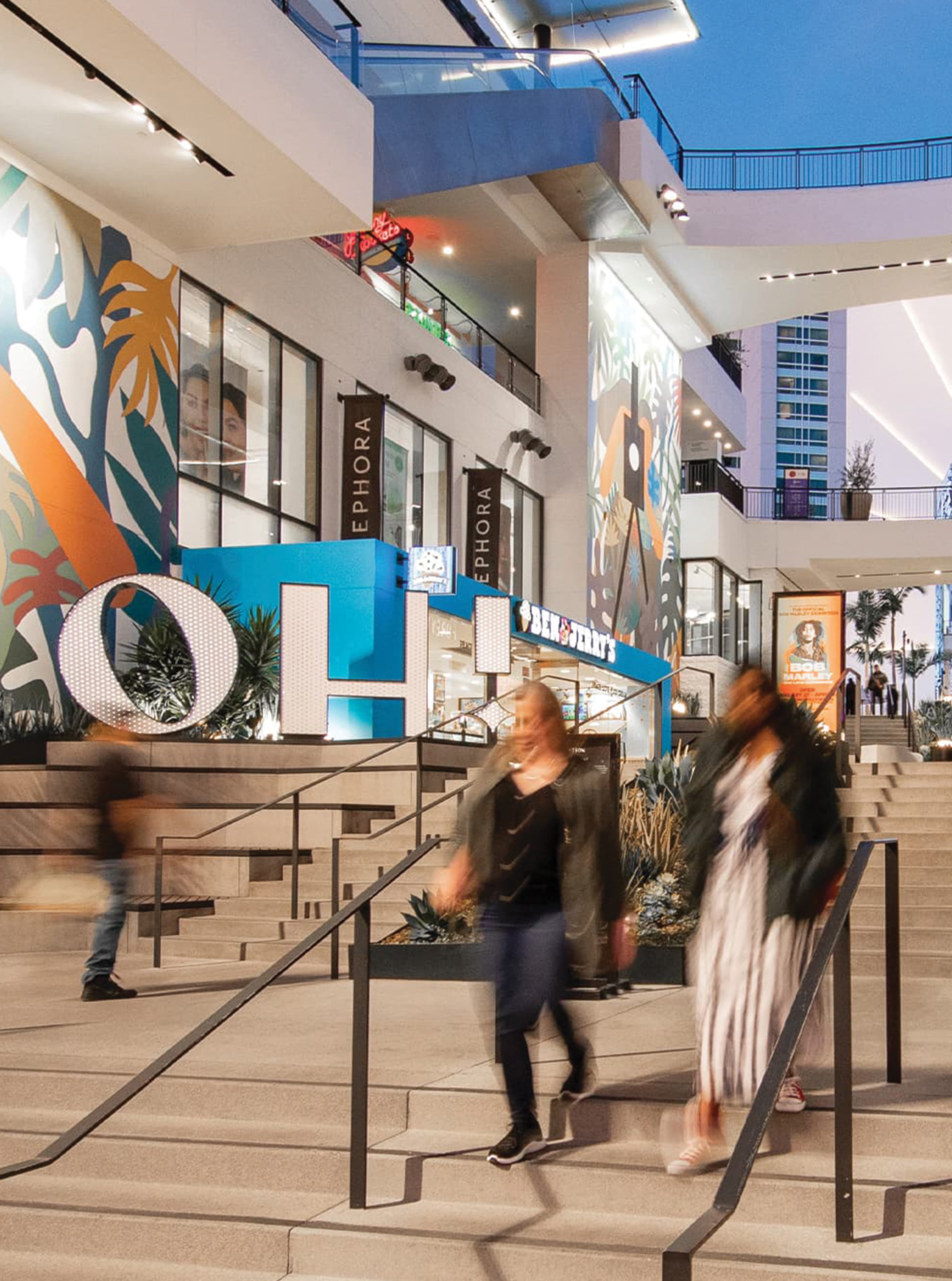
See more of our work for Ovation Hollywood.
Encouraging physical activity and healthy lifestyles
Thoughtful design and planning creates environments that inspire movement and well-being. By creating a variety of distinctive paths to destinations and experiences in a project, we encourage walkability and exploration with the broader environment. This invites people to discover accessible parks, recreational facilities, bike lanes, and pedestrian-friendly pathways that promote good health and support overall vitality.
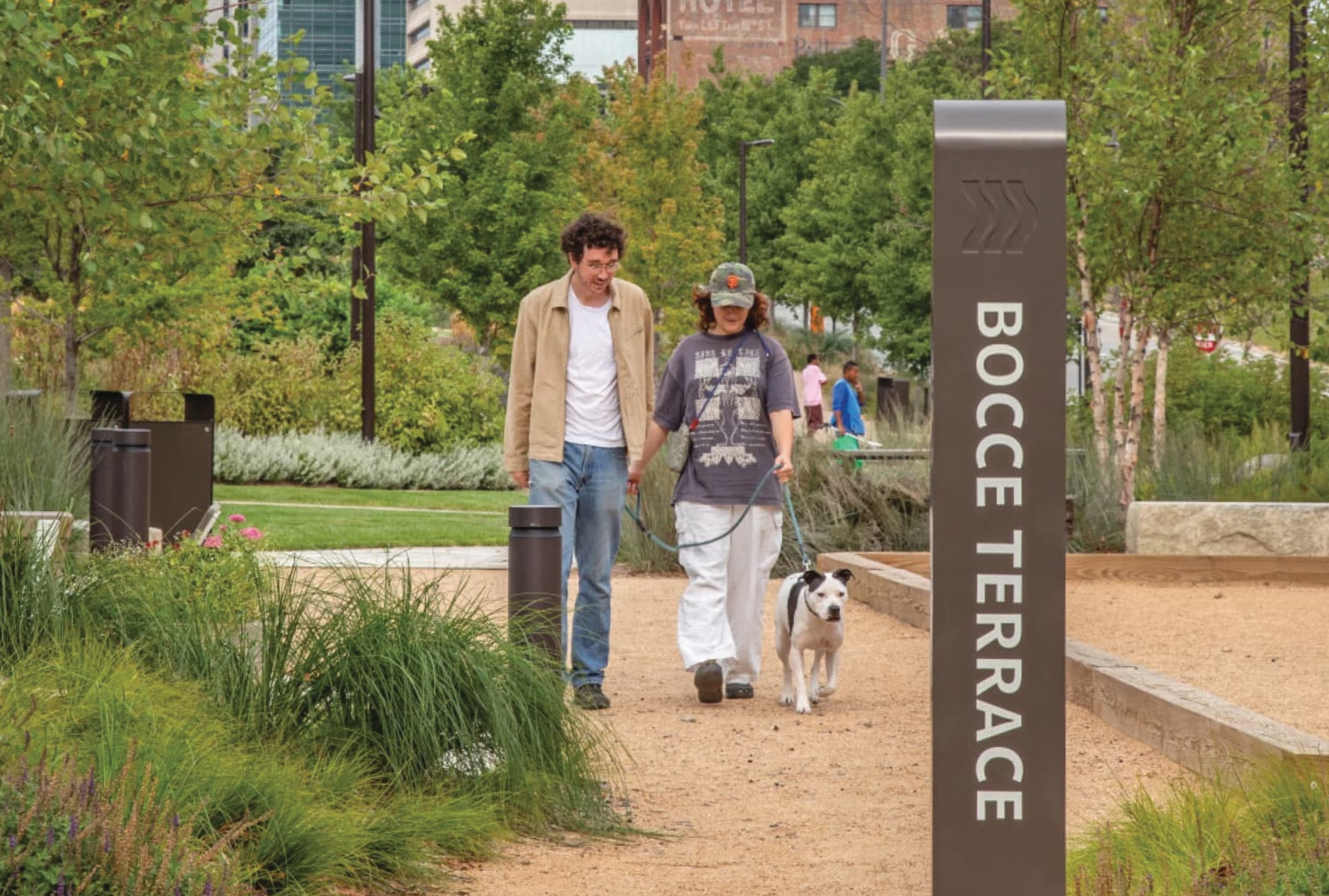
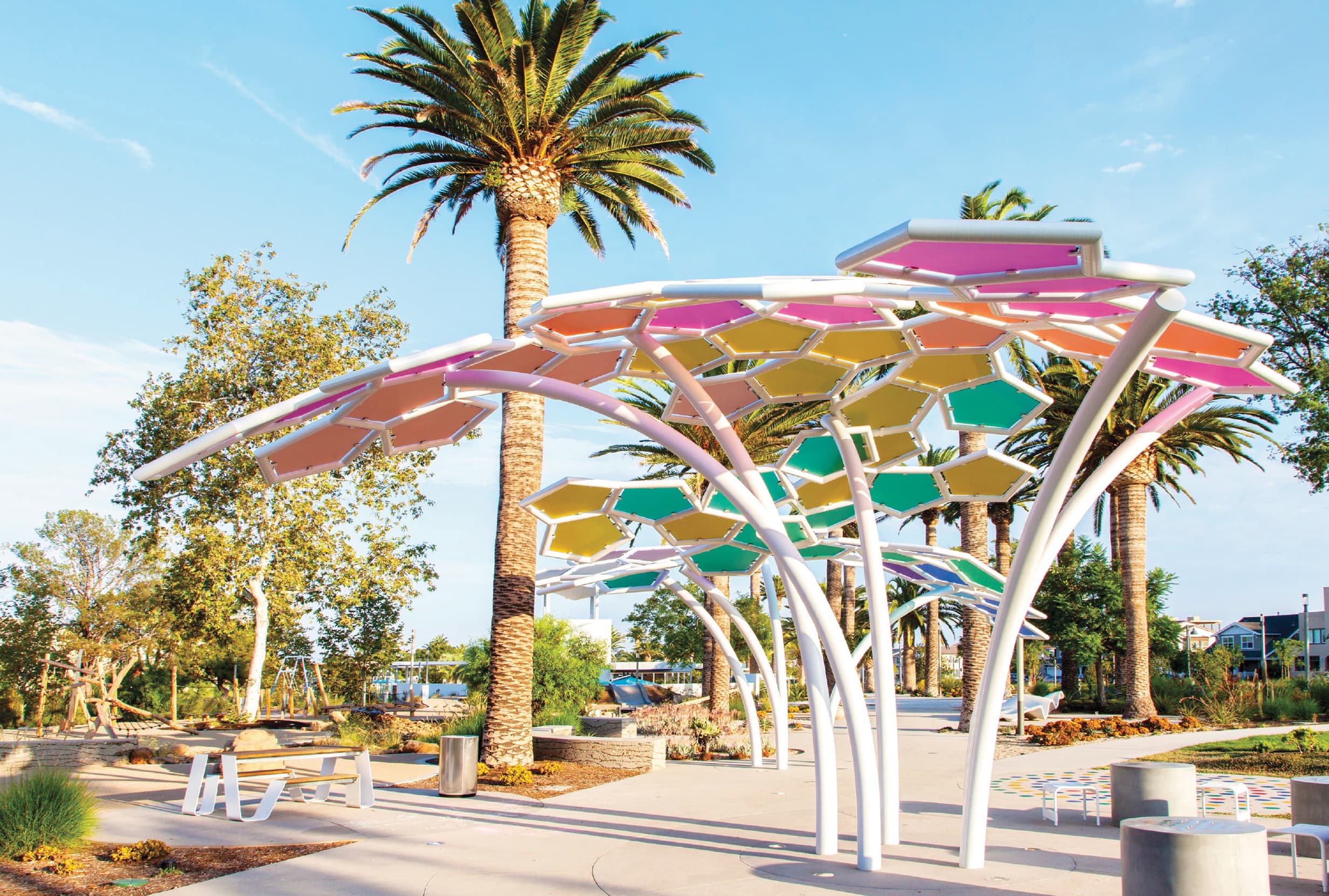
See more of our work for Wai Kai.
Boosting local economic development and tourism
Well-designed places attract people and create opportunities for a thriving commercial environment. Events and cultural attractions in public areas help local businesses and boost economic growth for the whole community.
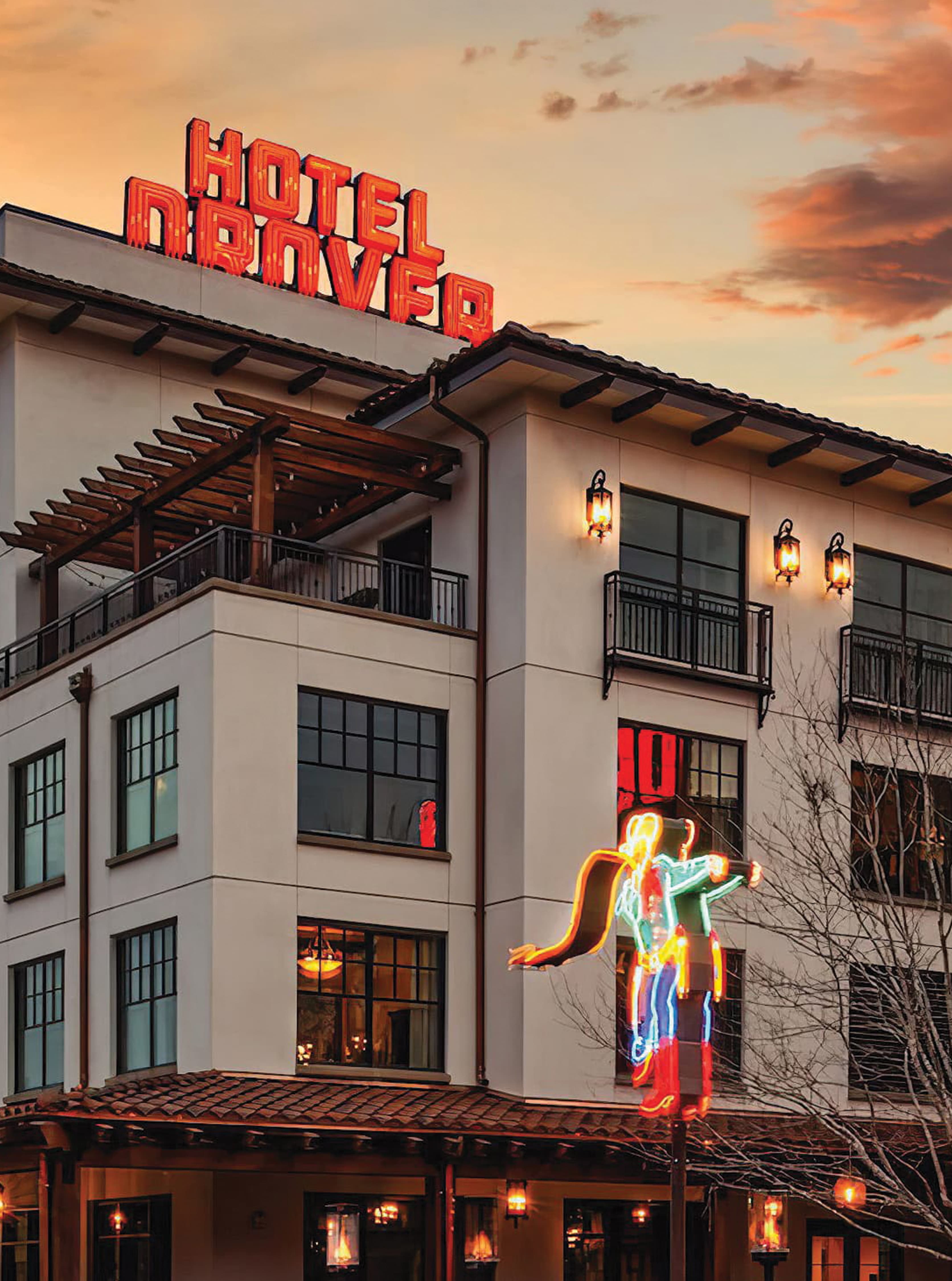
See more of our work for Hotel Drover.

What Makes Placemaking Effective?
Welcoming
Create an impactful first impression with enhanced entryways that set the tone for meaningful community interactions.
The Human Scale
Putting people first in design to facilitate their connection with the built environment.
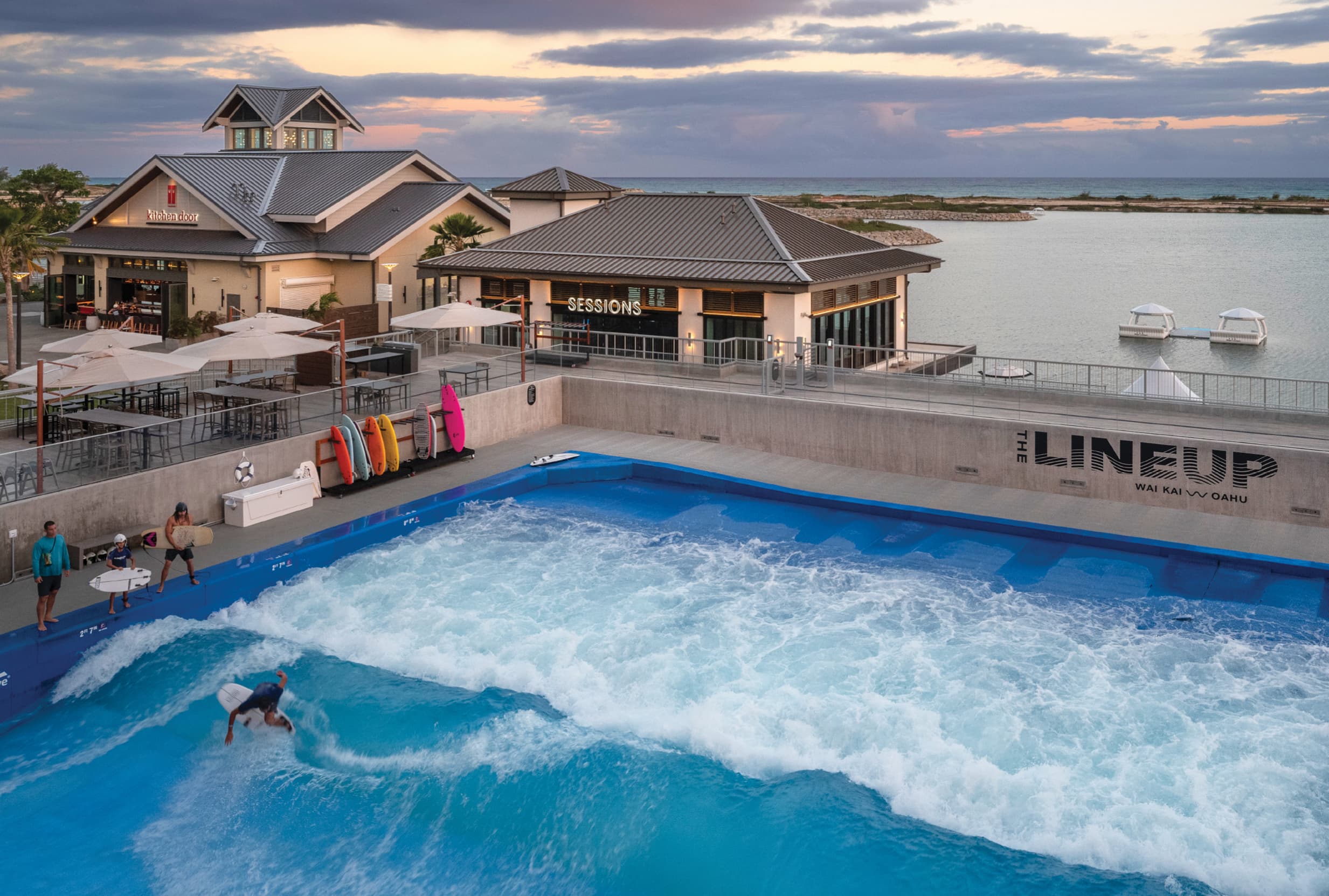
Engaging Multiple Senses
Placemaking is most powerful when it goes beyond only visual elements, appealing to users’ senses—visual, kinesthetic, auditory, and olfactory—to fully immerse themselves in their environment.
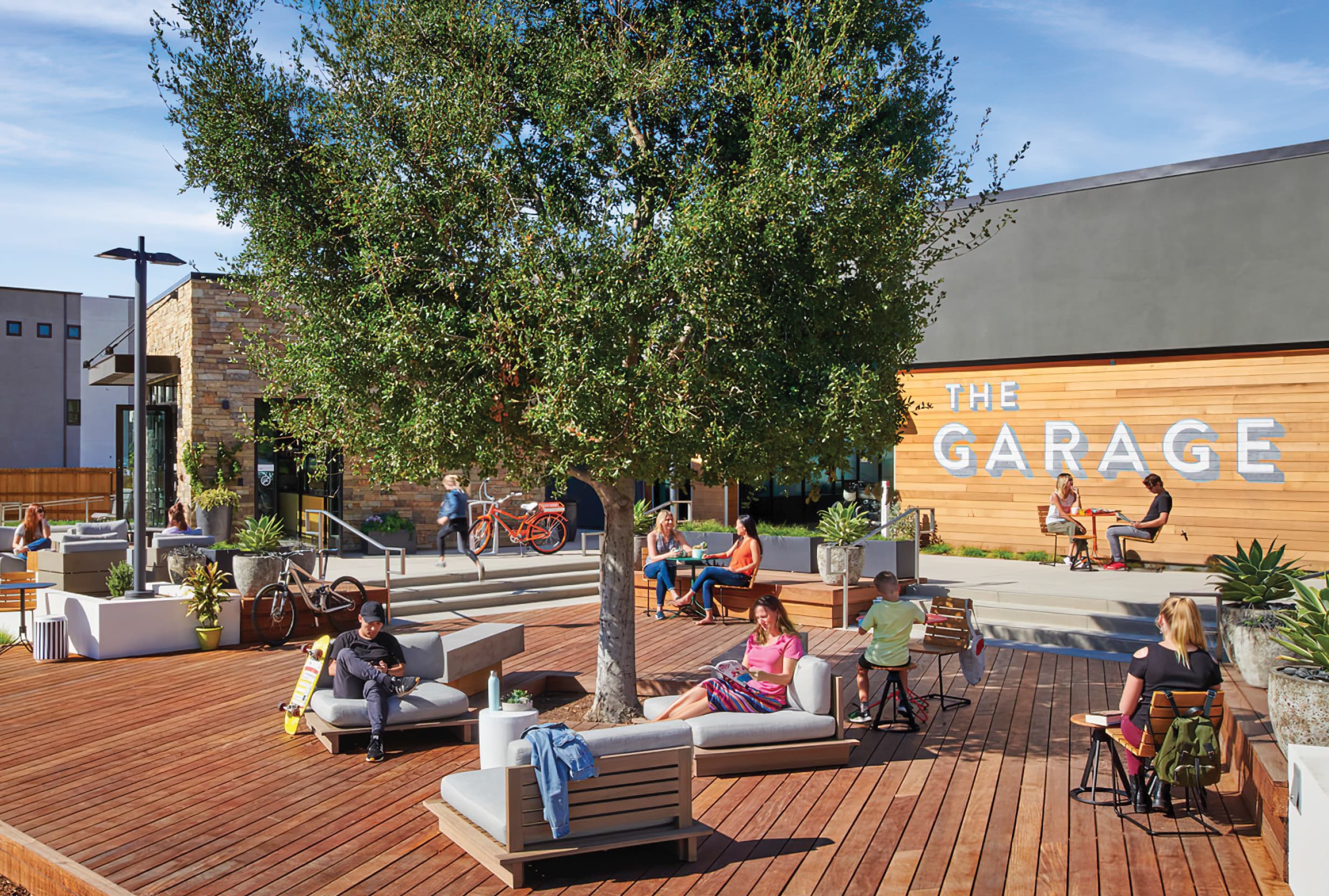
“My Favorite Bench”
Design gathering places that feel familiar, connect with users, and encourage people to socialize.
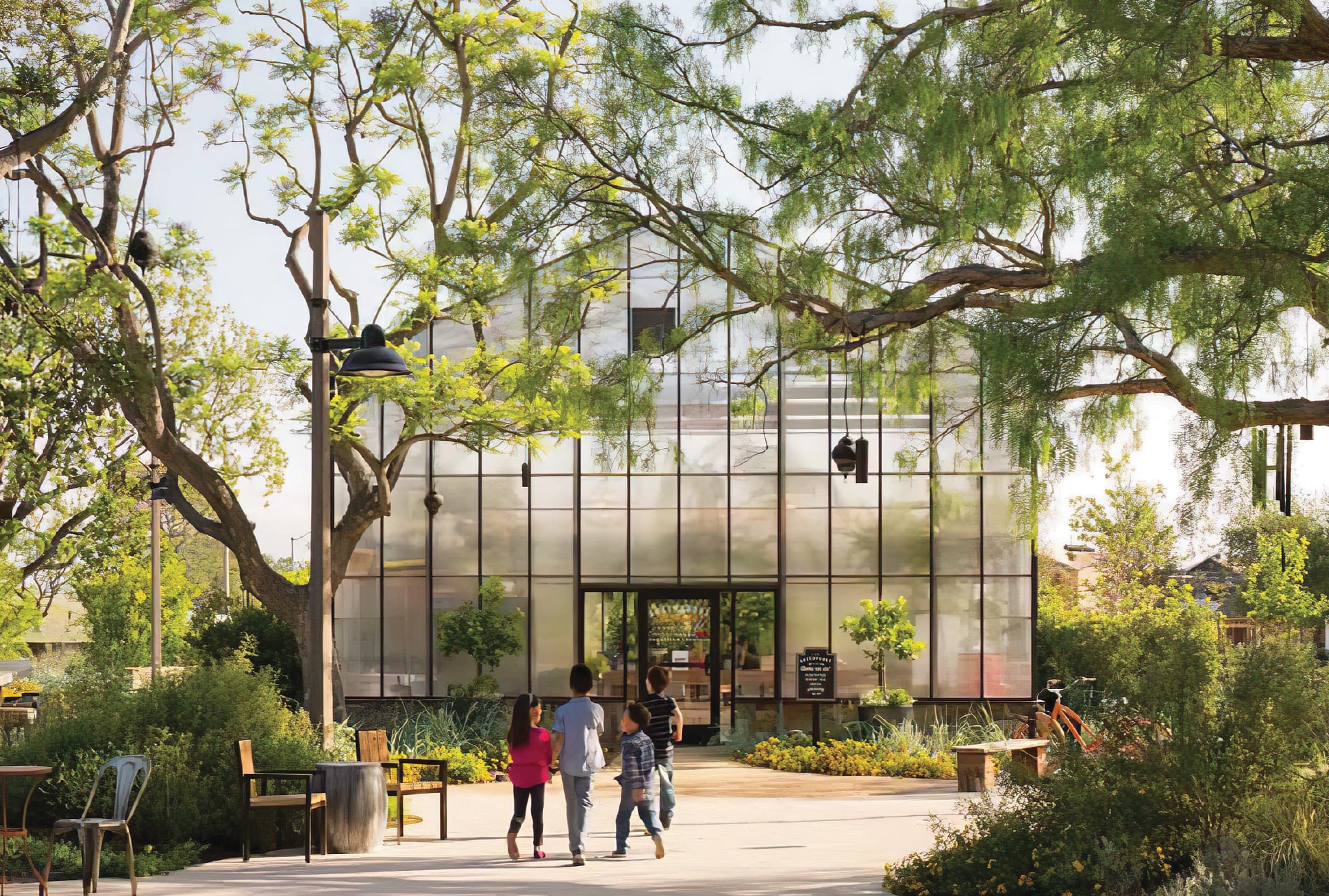
Comfort
Thoughtful design can create comfortable and inviting spaces, promoting community well-being.
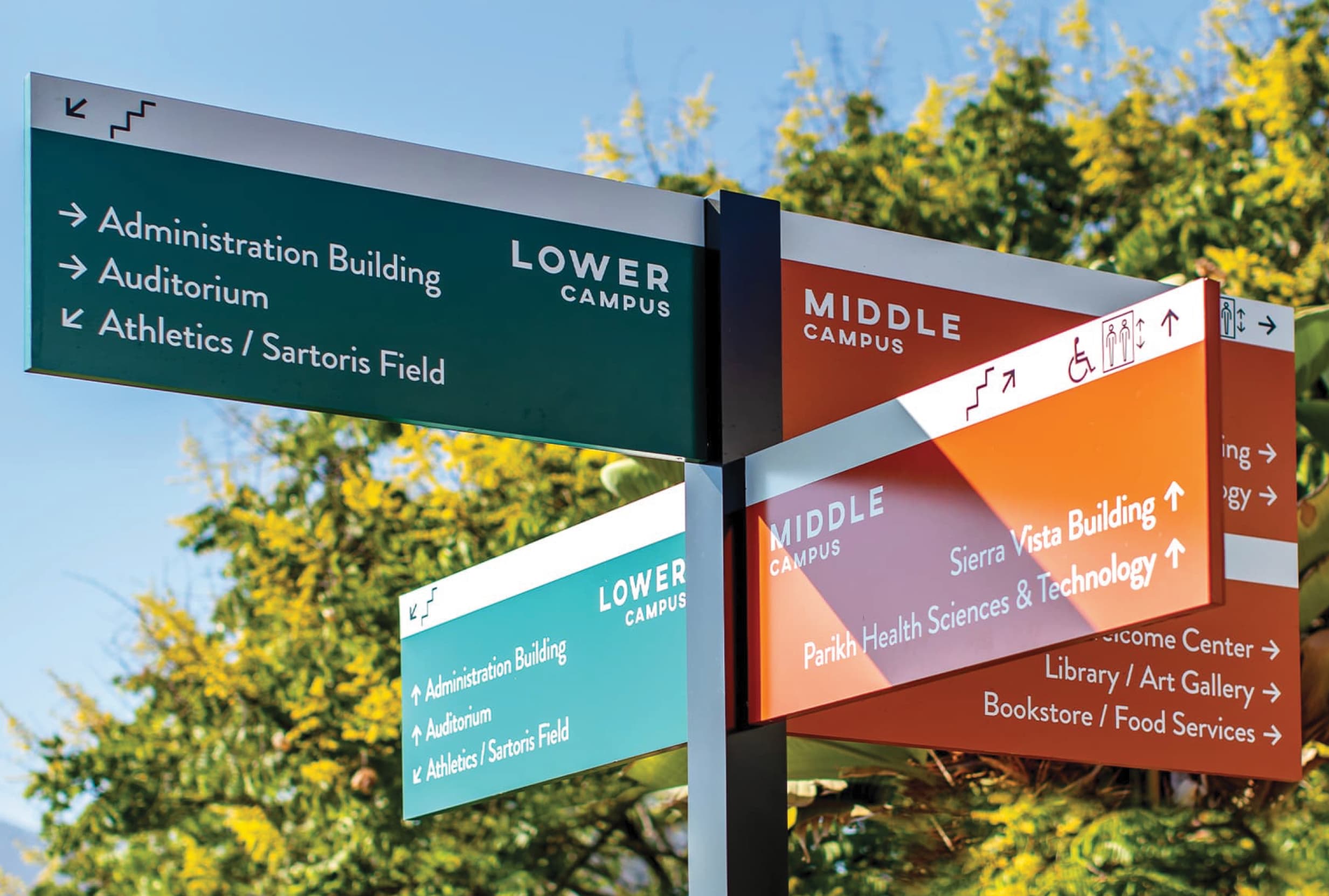
Certainty
Emphasize design elements that contribute to the overall confidence and comfort of the community.
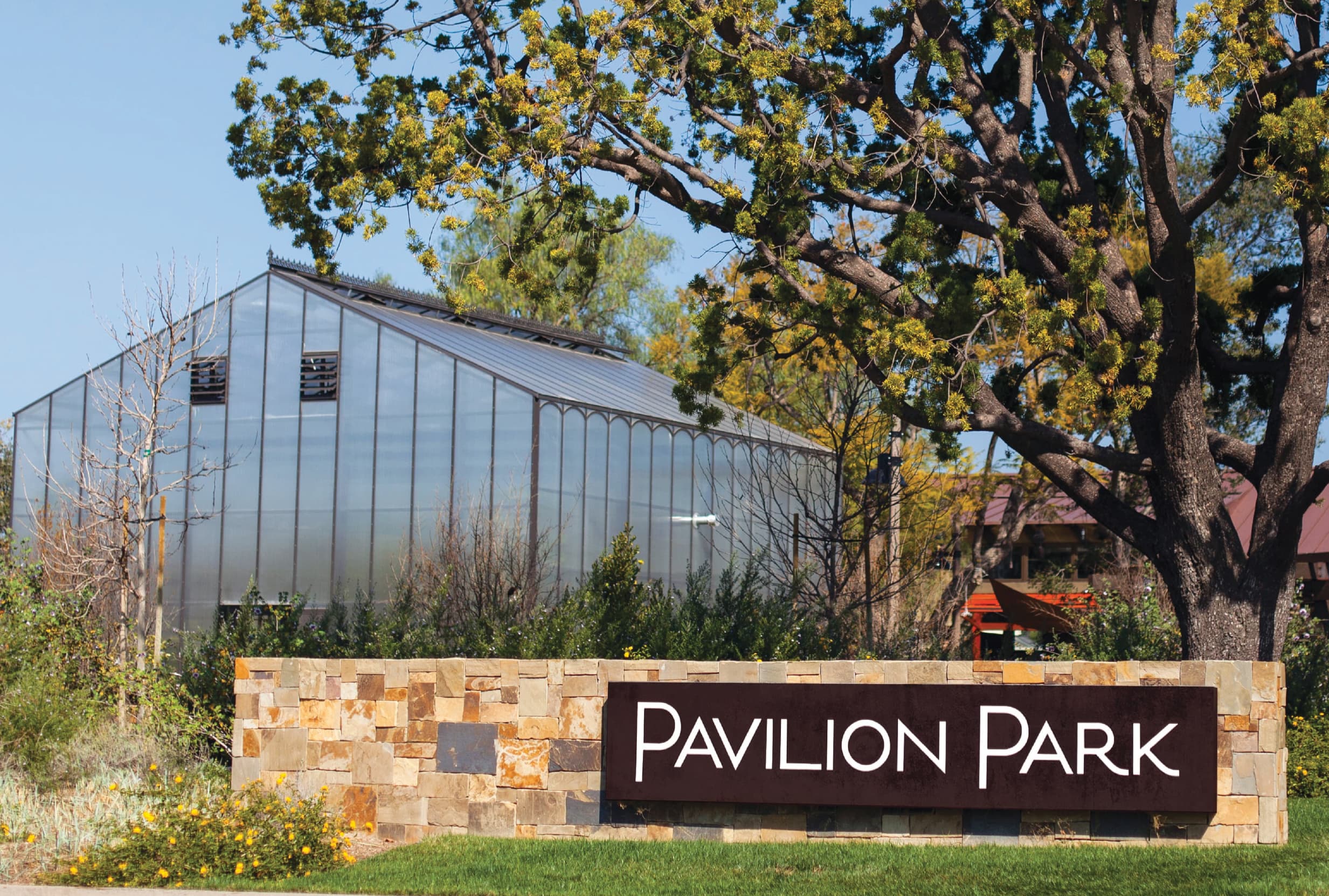
Quiet Reflection
Integration of peaceful spaces within the urban fabric demonstrates how placemaking can provide respites for reflection and relaxation.
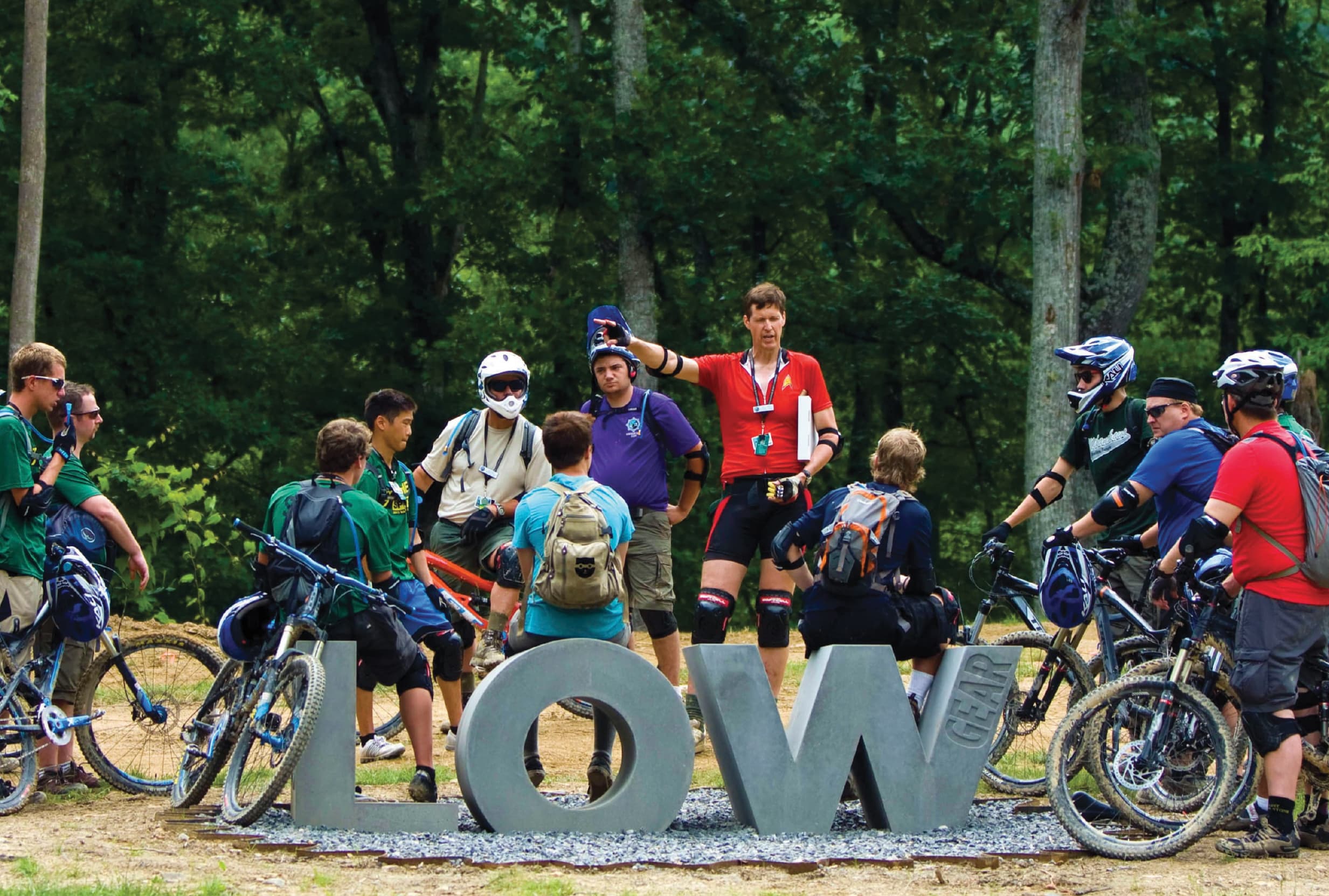
Shared Experiences
Encourage the creation of inclusive environments that foster interaction and a sense of togetherness.
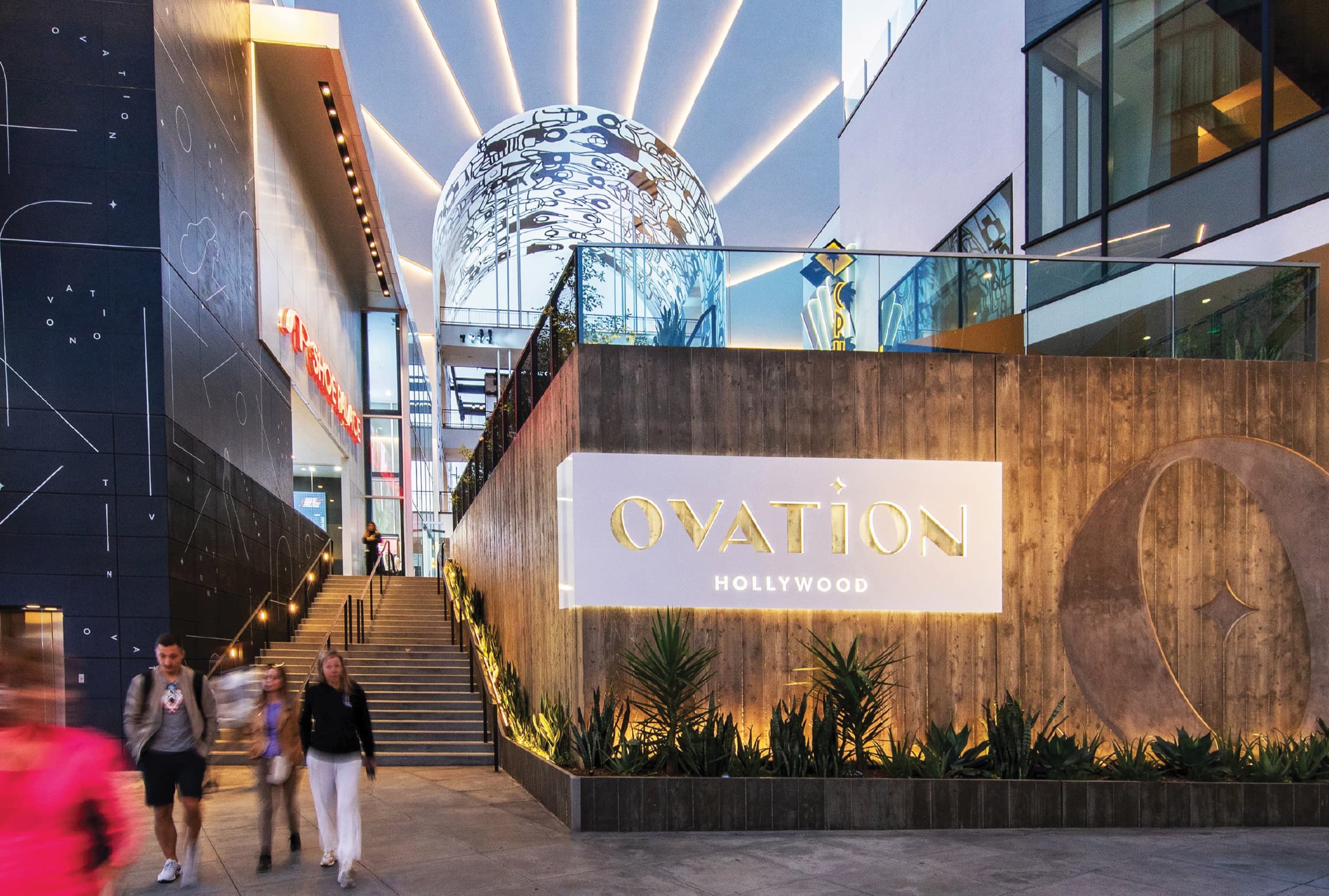
Transformation
Changing the ordinary to extraordinary. Endless potential exists for design to turn everyday spaces into vibrant, memorable, and community-centric places.
Placemaking is Transformative
Placemaking design is an essential process for creating public spaces that are functional, engaging, and reflective of the community. It can enhance a traditional experience in cities or urban areas into a transformational destination. Placemaking goes beyond the physical redesign of spaces; it is a holistic approach that considers the social, cultural, economic, and environmental dimensions of a community. Ultimately, placemaking can shape the way people experience and engage with their surroundings.
Topic series
Articles on Placemaking
01 /
The Placemaking Power of Ten
Every place should have at least 10 features that draw people in—whether it’s a cozy place to sit, a fun spot to meet friends, or an interesting attraction to observe.
02 /
Connecting People to Place at LBX
There are no templates in creating places that people truly engage with and appreciate, as every place is uniquely different.
03 /
Cultural Districts for People
Authenticity of a story told using history, art, and cultural perspectives creates an emotional experience that has the power to transform communities by creating impressionable moments that engage and inspire.
04 /
Global Placemaking
Whether it be wayfinding signage or placemaking enhancements within the developments, the conversations are similar across continents and aim to craft vibrant engaging spaces that resonate with the cultures and communities they are a part of.
Placemaking Markets
Placemaking design is proven effective in places large and small, public and private, new and old. Each requires a unique approach with the common goal of creating places people enjoy by connecting to innate human needs. Placemaking design creates vibrant and engaging environments that foster community, enhance experiences, and promote well-being for all.
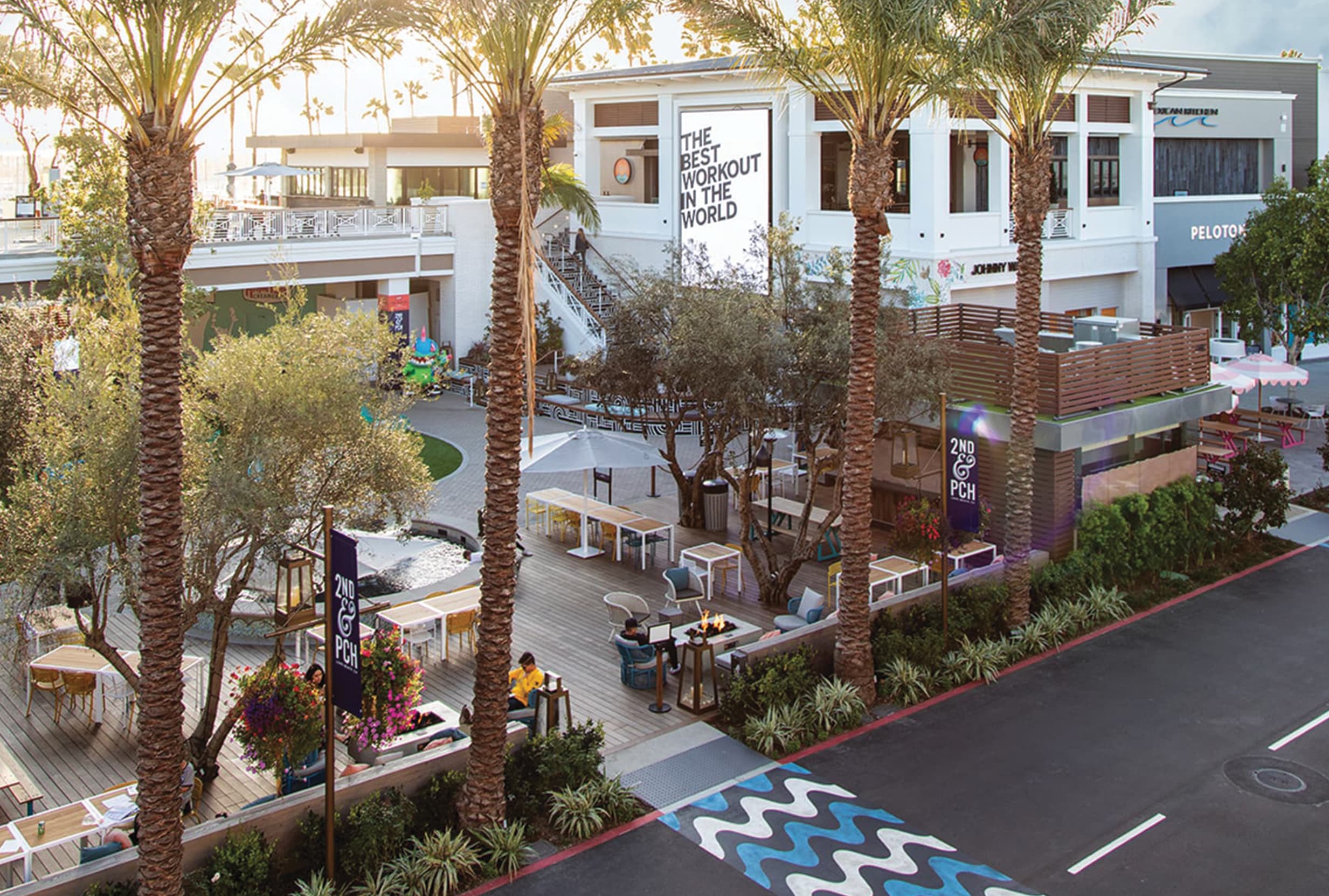
Retail
Effective retail placemaking involves designing environments to enhance customer experiences, encourage longer dwell times, and foster a sense of community and brand loyalty.
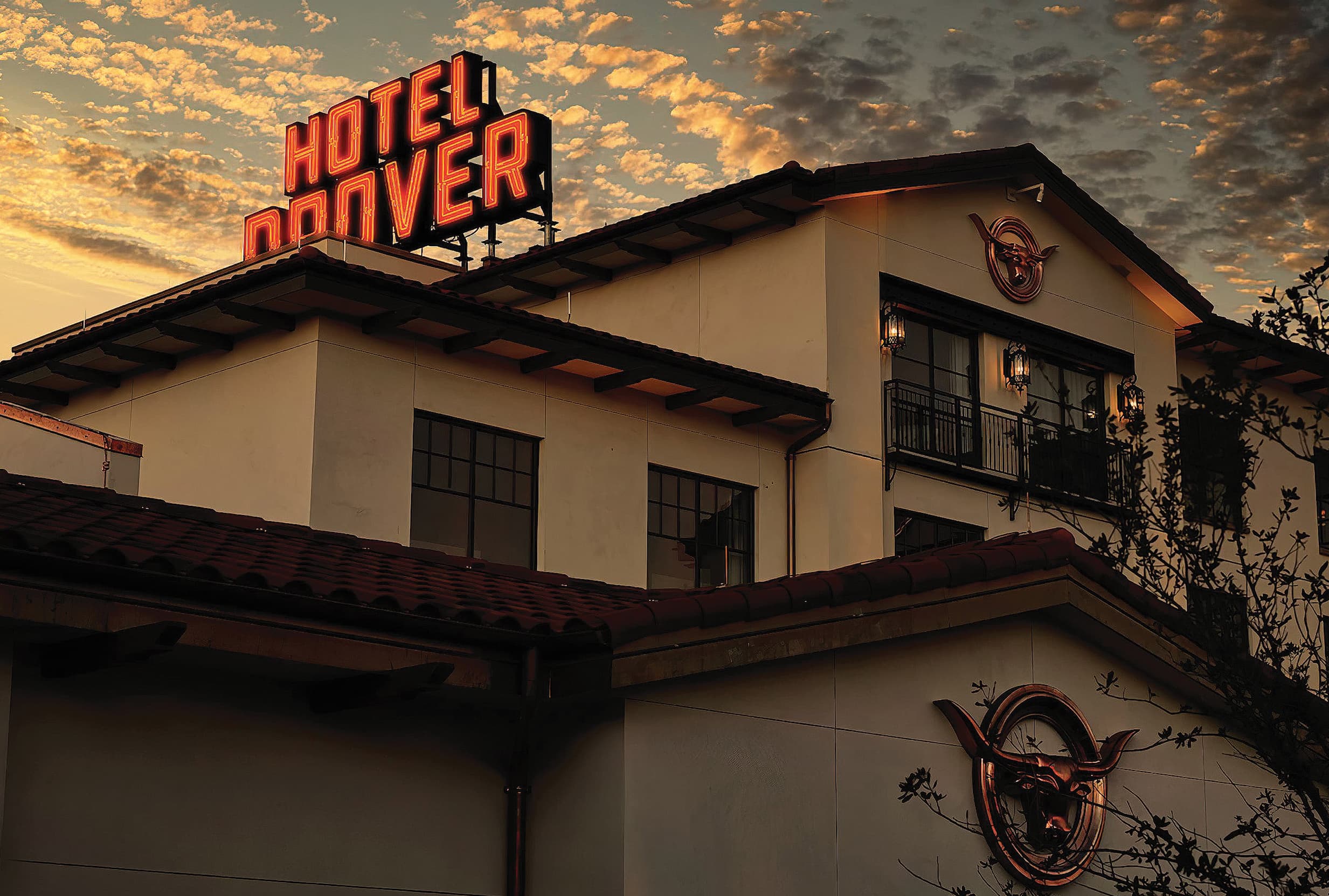
Hospitality
Hospitality environments benefit from placemaking that enhances guest experiences, promotes relaxation, fosters social interaction, and creates memorable stays that reflect the brand.

Sports & Entertainment
For these projects, we build environments that enhance the fan experience and cultivate a sense of excitement and community around sporting and cultural events.
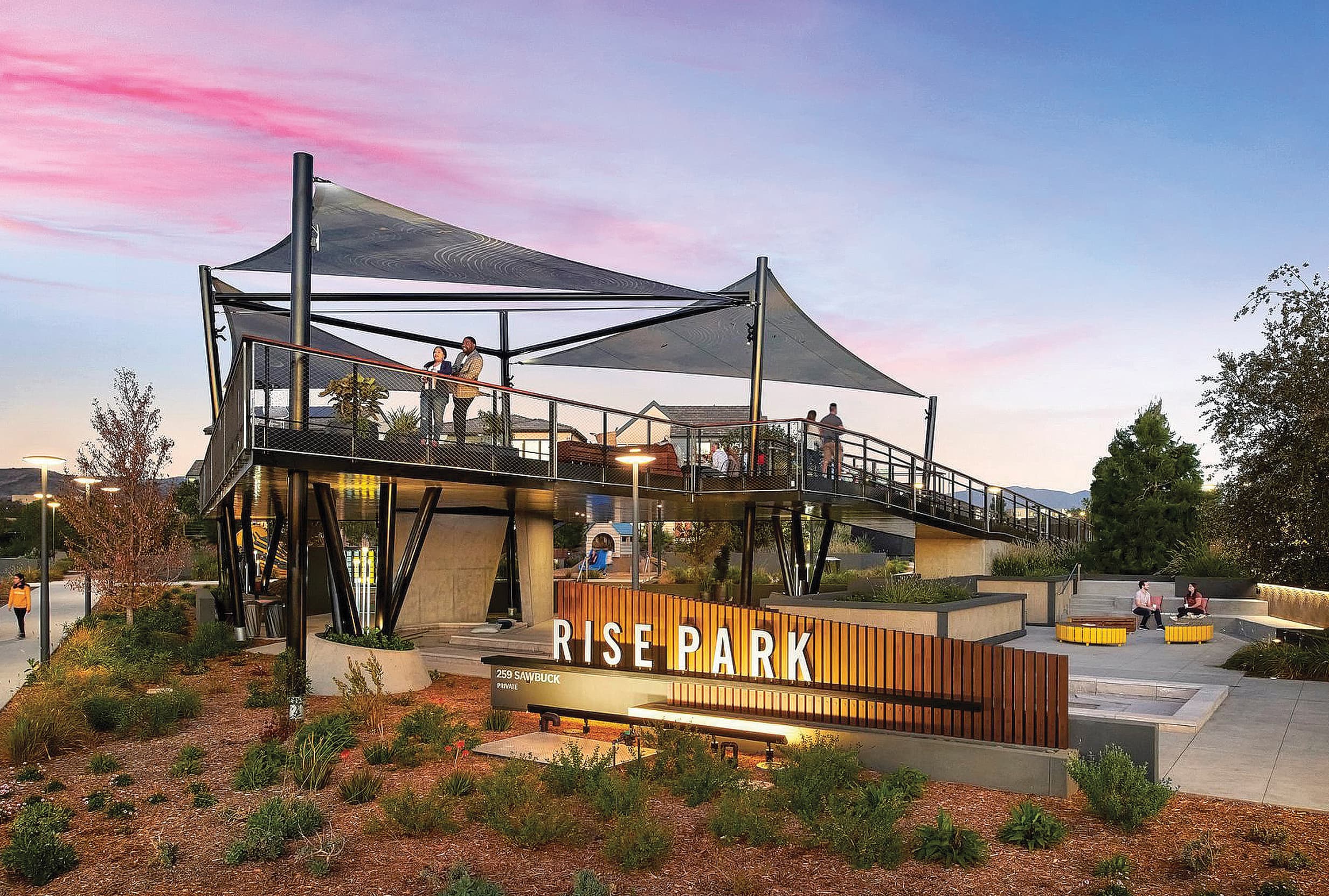
Parks
Park placemaking involves designing public spaces to enhance the natural beauty of the surroundings while promoting recreation, relaxation, and social interaction.
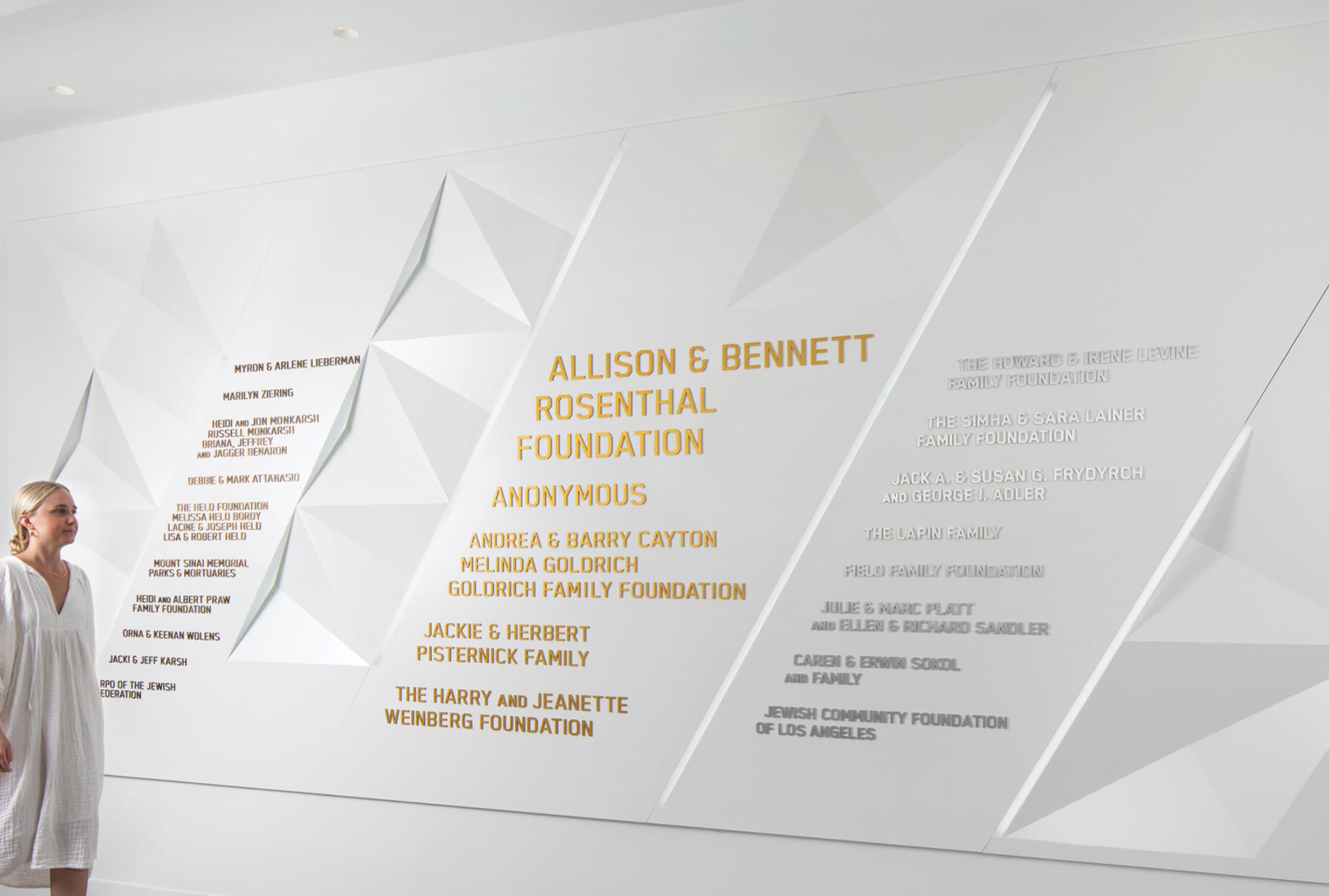
Cultural
Through thoughtful design, we create inclusive spaces that cultivate a sense of belonging and strengthen community bonds.
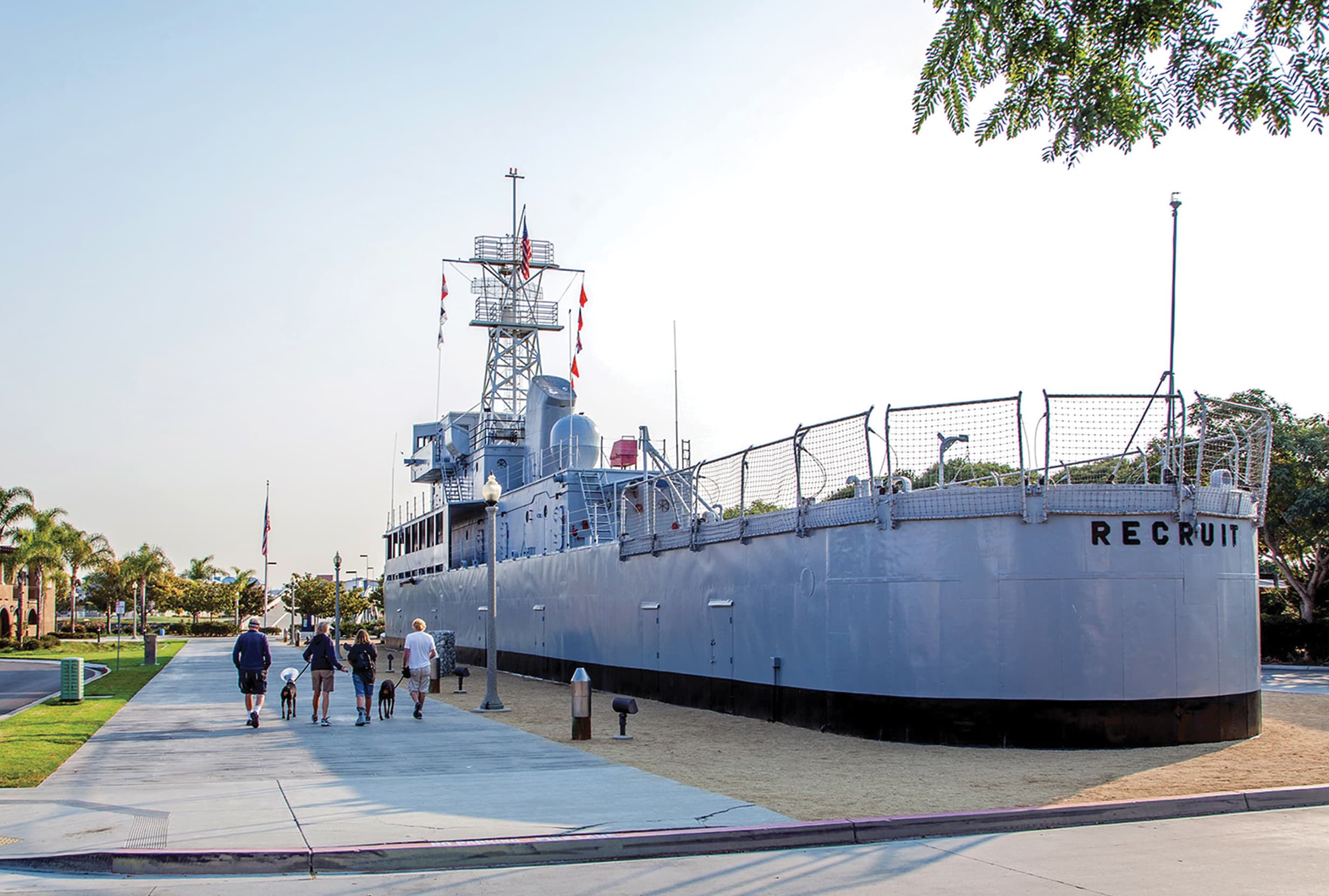
Mixed-Use
Our goal is to enhance quality of life for residents and visitors alike by blending residential, commercial, retail, and recreational spaces into urban hubs that are dynamic yet still cohesive.
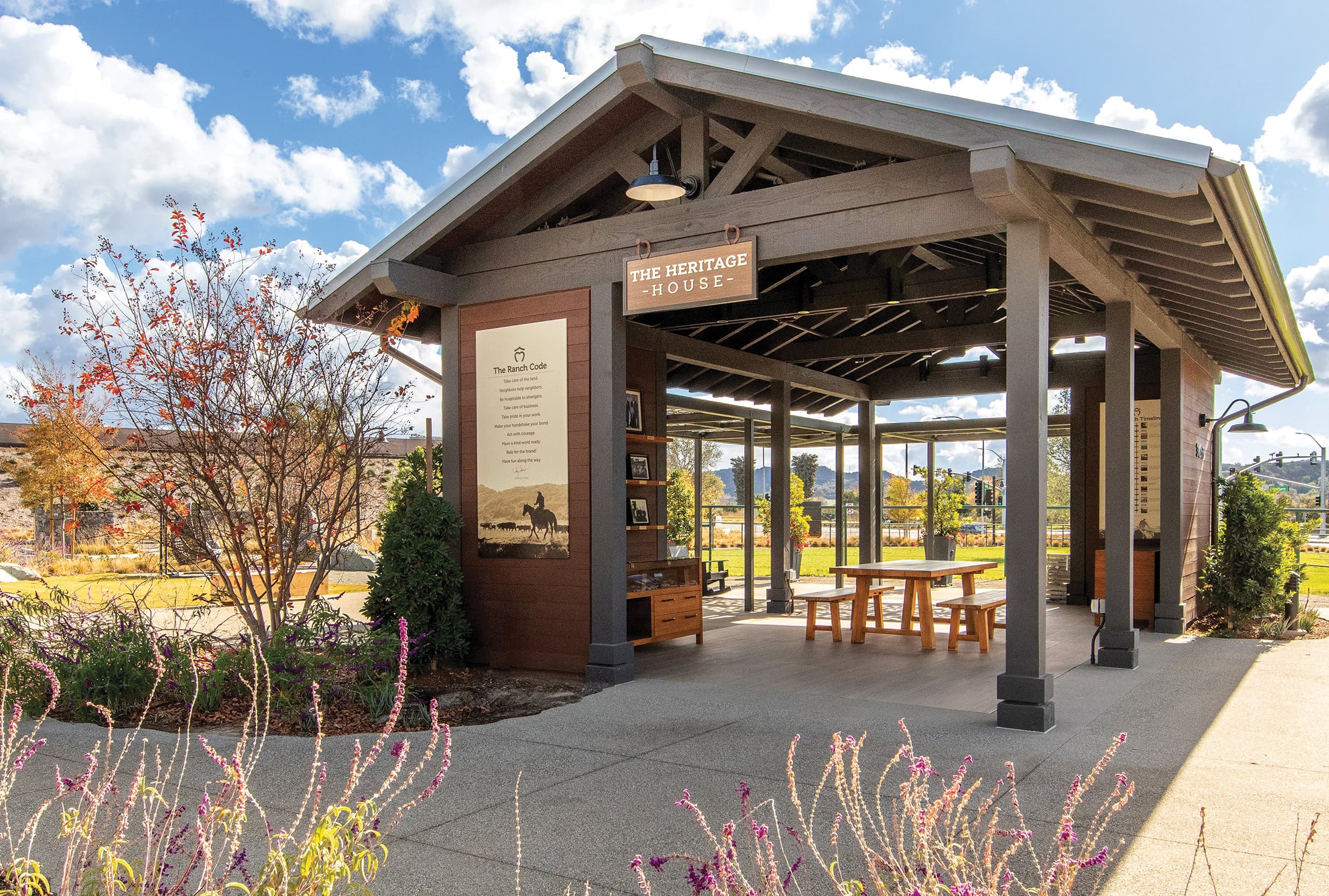
Residential
RSM Design encourages social interaction, safety, physical activity, and a sense of belonging for residents with placemaking strategies in their community.
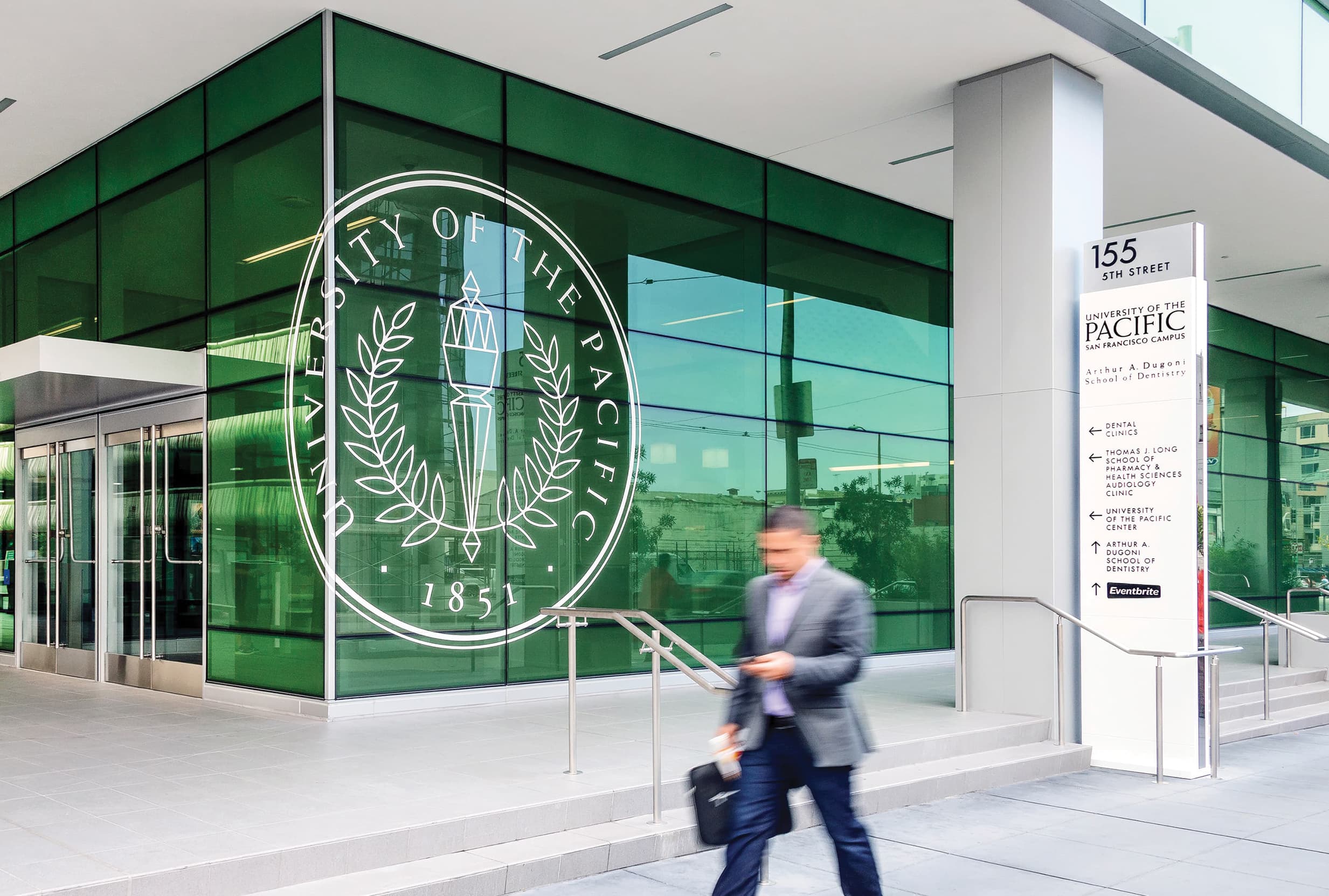
Workplace
Effective workplace placemaking enhances employee experiences, fosters connection and culture, and supports productivity and engagement.
Successful Placemaking Examples
San Diego, CA
Liberty Station
Liberty Station is a mixed-use development located in the Point Loma neighborhood of San Diego, California. The development is situated on the site of the former Naval Training Center San Diego and is now home to a variety of businesses, arts and cultural organizations, educational institutions, and residential units.
Nashville, TN
5th + Broadway
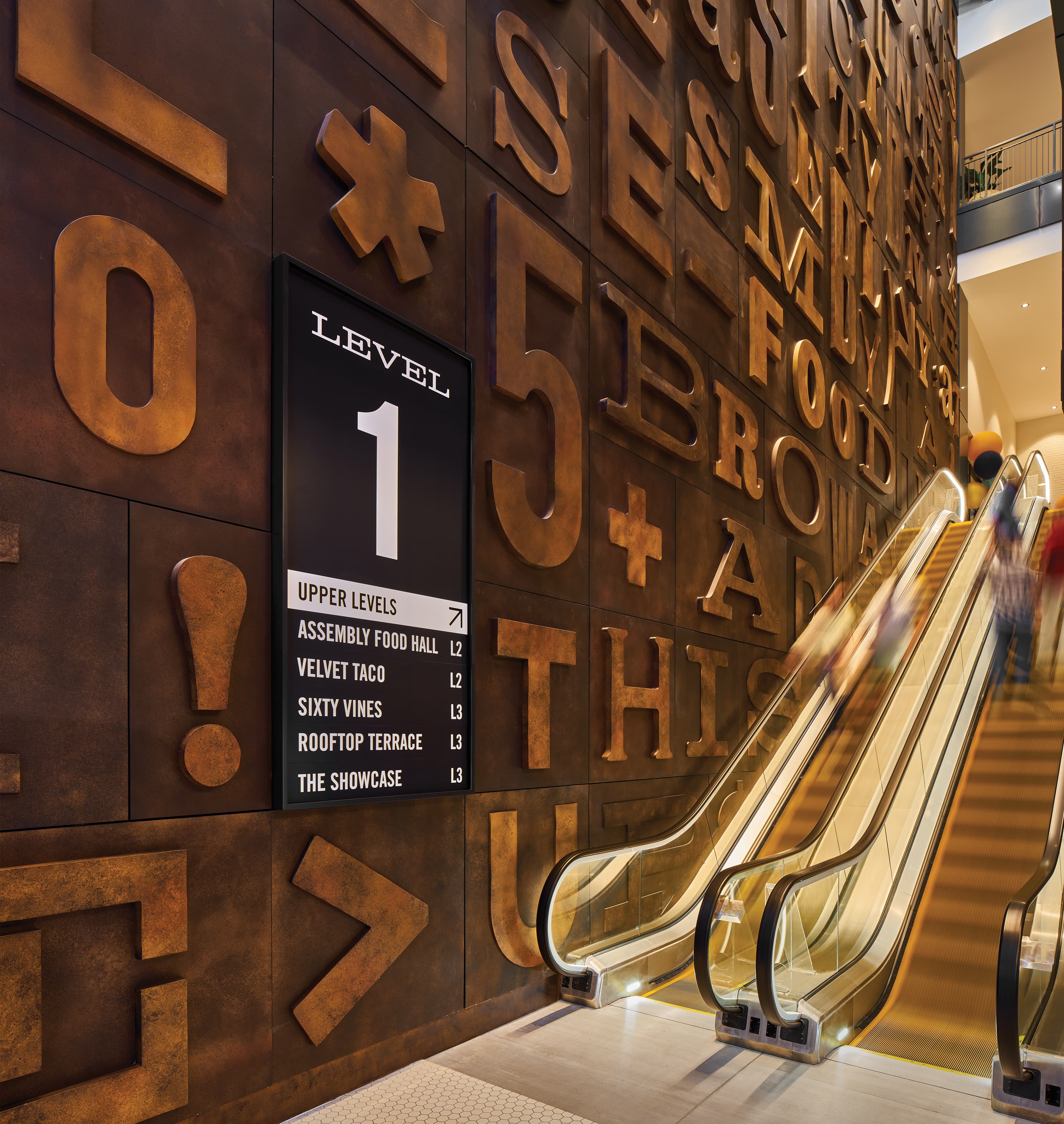
The 6.2 acre development is adjacent to popular attractions such as Ryman Auditorium, Country Music Hall of Fame, and Bridgestone Arena. It's a popular place for locals and tourists with shops, restaurants, entertainment, and homes. We created a series of typographic placemaking murals that made the path of travel an experience for visitors.
Irvine, CA
Great Park Neighborhoods
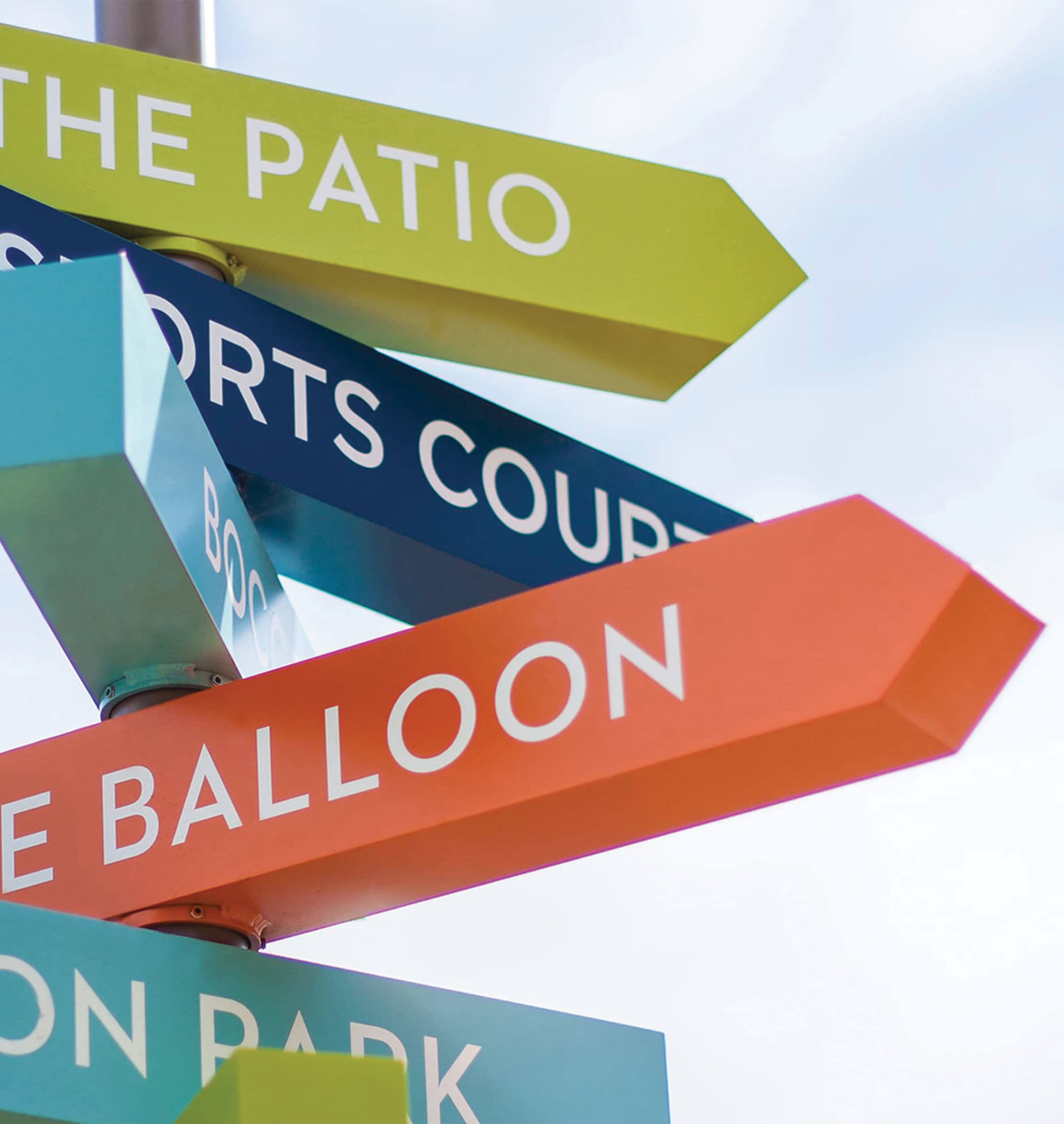
Great Park Neighborhoods is a planned community near Orange County Great Park, one of the biggest parks in the US. Residents can use the swimming pool, playgrounds, sports courts, picnic areas, and other amenities scattered throughout the community.
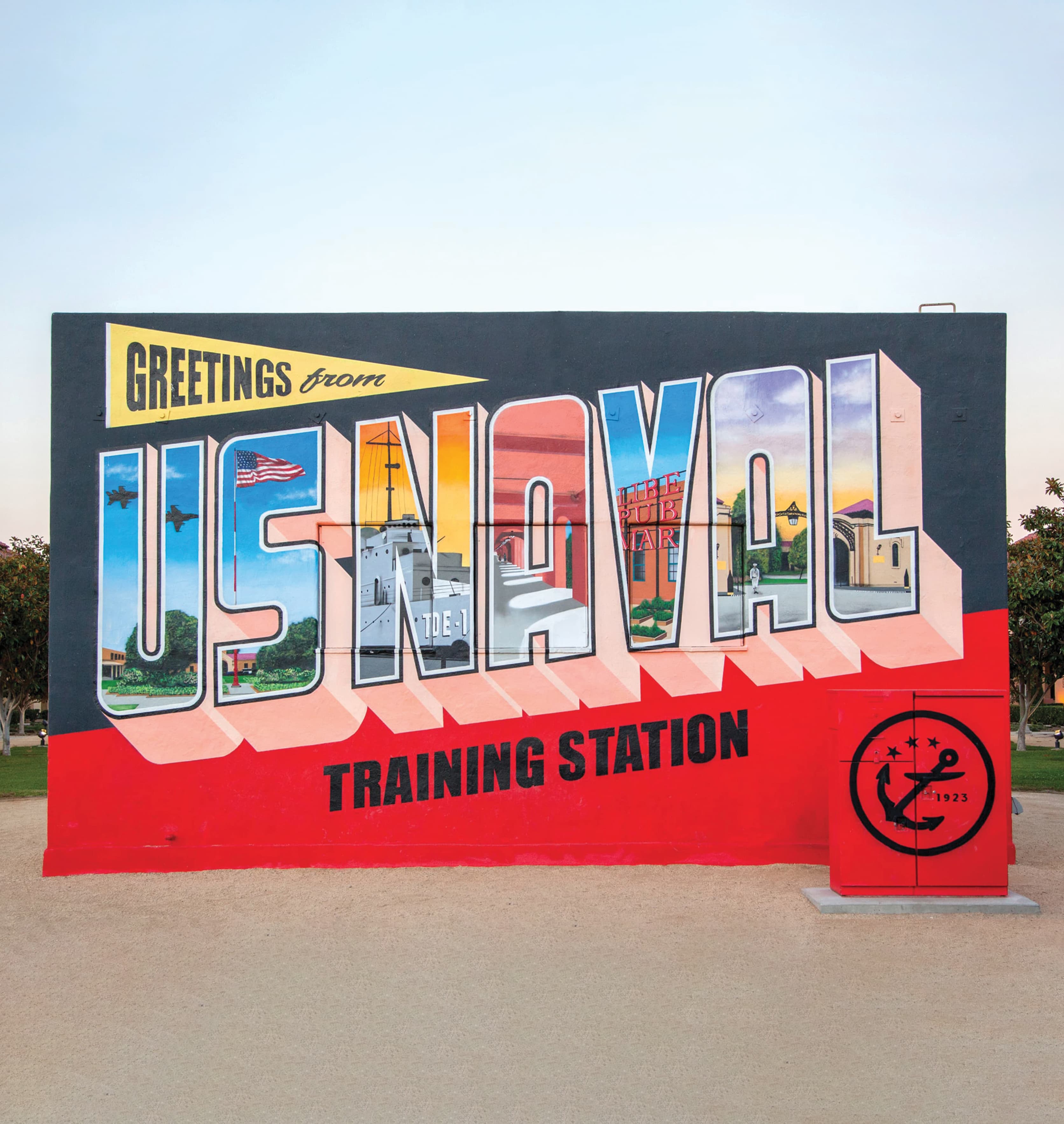
RSM Design focuses on creating comprehensive and enduring placemaking services that not only enrich user experiences, but also contribute positively to the broader well-being of the community.
Frequently Asked Questions
What does “placemaking design” mean?
Placemaking design is the intentional and collaborative process of developing and improving public spaces so that they are more useful, inviting, and expressive of the community's identity. It entails deliberate evaluation of a location's physical, cultural, and social features, with the goal of instilling a sense of belonging, encouraging social engagement, and positively contributing to the community's wellbeing. Placemaking design frequently entails community involvement, creative interventions, and a comprehensive approach to transforming ordinary locations into dynamic and purposeful environments.
What is RSM Design’s process for placemaking design?
RSM Design’s placemaking process involves researching the neighborhood, engaging stakeholders in the design process, and transforming their feedback into a shared vision. This shared vision is then translated into a precise design plan that is implemented in stages and constantly updated based on community feedback. The result is a dynamic and inclusive public place that contributes to a better quality of life for the residents while also attracting visitors.
Why is placemaking important and what is its value?
Placemaking encompasses not only architecture but also the consideration of a location's physical, cultural, and social identity. It is a means for many communities to update and reinvent their public spaces. Placemaking gives people the ability to foster a feeling of pride in their community, a sense of belonging, and economic growth.
What is the placemaking theory of urban design?
The placemaking theory of urban design relies around the concept of providing meaningful and inclusive public places within the built environment. It stresses community interaction, collaborative design, and spatial transformation to improve residents' quality of life. Placemaking in urban design aims to establish a feeling of identity, social interaction, and connectivity by including the community in the creation and use of public areas. The goal is to make urban environments more people-centered and reflective of community values and needs.
Is placemaking the same as urban design?
While placemaking can be seen as a specific aspect of urban design, the latter encompasses a more comprehensive and strategic approach to shaping the physical and social fabric of cities. Placemaking is a process that involves the collaborative planning, design, and activation of public spaces. It often involves community engagement, celebrating local identity, and fostering social interaction to transform ordinary spaces into meaningful places.
Urban design is a broader field that encompasses the planning and design of entire urban areas or neighborhoods. It involves shaping the physical layout, infrastructure, and functionality of cities and towns to create cohesive and visually appealing environments. Urban design considers land use, transportation, architecture, and public spaces in a holistic manner, aiming to enhance the overall quality and functionality of urban areas over a long period of time. Placemaking is often an integral part of urban design efforts, contributing to the creation of well-designed and people-centric urban environments.
What are the principles of placemaking in urban design?
Placemaking in urban design typically involves creating human-scale environments that prioritize community engagement, inclusivity, and sustainability. These principles emphasize weaving the design solutions into the unique identity of a place, fostering social interaction, and enhancing the overall well-being of residents through thoughtful and people-centric urban planning.
Principles of placemaking in urban design include several fundamental components:
- Engagement: Including the community and key stakeholders to discover the community’s unique voice and sense of place and to create a design process to understand the local needs, goals, expectations, and requirements.
- People First Design: Creating places that prioritize human needs and well-being while generating a sense of belonging, identity, and connection with the environment..
- Inclusivity: Making public areas accessible and friendly to persons from various backgrounds, skills, and ages.
- Adaptability: Creating environments that can adapt and evolve over time to meet changing community needs and preferences.
- Sustainability: Using ecologically friendly methods and promoting resource efficiency.
- Identity and Character: Reflecting the unique identity, history, and local stories of a place in the design to create a sense of local pride and authenticity.
- Certainty: Implementing features that enhance public spaces which include branding and identity, monumentation, wayfinding, and public art.
- Variety: Combining various uses, such as residential, commercial, and recreational, to create dynamic, active, and varied urban places.
- Delight: using thoughtful design and aesthetics to create visually beautiful and aesthetically pleasing environments that add to the overall enjoyment of the space such as specialty graphics, public art, and murals.
- Engagement: Encouraging social interaction by allowing community members to assemble, connect, and participate in common activities.
These placemaking principles guide the planning and design of public spaces to ensure they contribute positively to the quality of life and well-being of the residents while reflecting the unique character of the community.
What are the latest trends in placemaking?
There has been a noticeable emphasis on sustainable practices in recent years, with an increased use of environmentally friendly features and technologies. Health and wellness factors have also influenced design, encouraging active lifestyles and mental health. The celebration of culture and inclusivity has become a big movement as well, creating spaces that reflect communities' unique identities. Tactical urbanism, which involves community-led, low-cost interventions for rapid regeneration, has gained favor too. Finally, adaptive reuse of spaces and collaborative governance models have emerged as placemaking trends, indicating a dynamic shift towards repurposing existing structures and incorporating different stakeholders in the placemaking process.
What are the objectives of placemaking?
The objectives of placemaking encompass creating vibrant, inclusive, and culturally rich public spaces that reflect the unique identity of a community. This involves engaging residents in the design process, prioritizing accessibility and social interaction, and fostering a sense of pride and belonging. Placemaking aims to contribute to the economic vitality of an area by attracting businesses and residents. Additionally, sustainability, public safety, and adaptive reuse are integral objectives, ensuring that the design and transformation of spaces align with environmental concerns, community well-being, and the efficient use of existing infrastructure. Overall, the holistic approach of placemaking seeks to enhance the overall quality of life in urban environments.
What is the relationship between placemaking and identity?
Placemaking and identity are related ideas that emphasize the relationship between a community's distinct character and the way its public places are designed. Carefully considered placemaking that honors the history, values, and culture of the area strengthens residents' sense of self, promotes communal pride, and strengthens their bond with the places they live. Identity is infused throughout placemaking design and can be represented through graphics, patterns, type, color, and the overall aesthetic.
What makes a place timeless?
A timeless place is defined by a harmonious and adaptive design that can withstand changing trends. Cultural relevance is produced by celebrating local identity and traditions, which contributes to a long-term relationship with the community. Quality craftsmanship, sensitivity to the human scale, and the use of natural features all contribute to a place's long-term appeal. Community participation, memorability, functional longevity, and a clear, enduring purpose all contribute to a space's timeless quality, ensuring it remains relevant, cherished, and purposeful for future generations.